
Isolate: micro-decorating move #26 + More

The weekly micro-decorating newsletter * Issue 13 of 13, W26 * Subscribe free *
The expression "can't see the forest for the trees" is a cautionary statement for those who get so caught up in details they lose the big picture. But the opposite can also occur – seeing the panorama and neglecting its smaller elements. That's when the technique of isolating comes in, a way of turning attention to the uniqueness of one individual thing.
You'll see it in bookstores. Row after row of titles with spines out are interrupted by a single cover facing us:

It's a kind of punctuation, slowing us down and reminding us that we need to zoom in now and then to appreciate particularities.
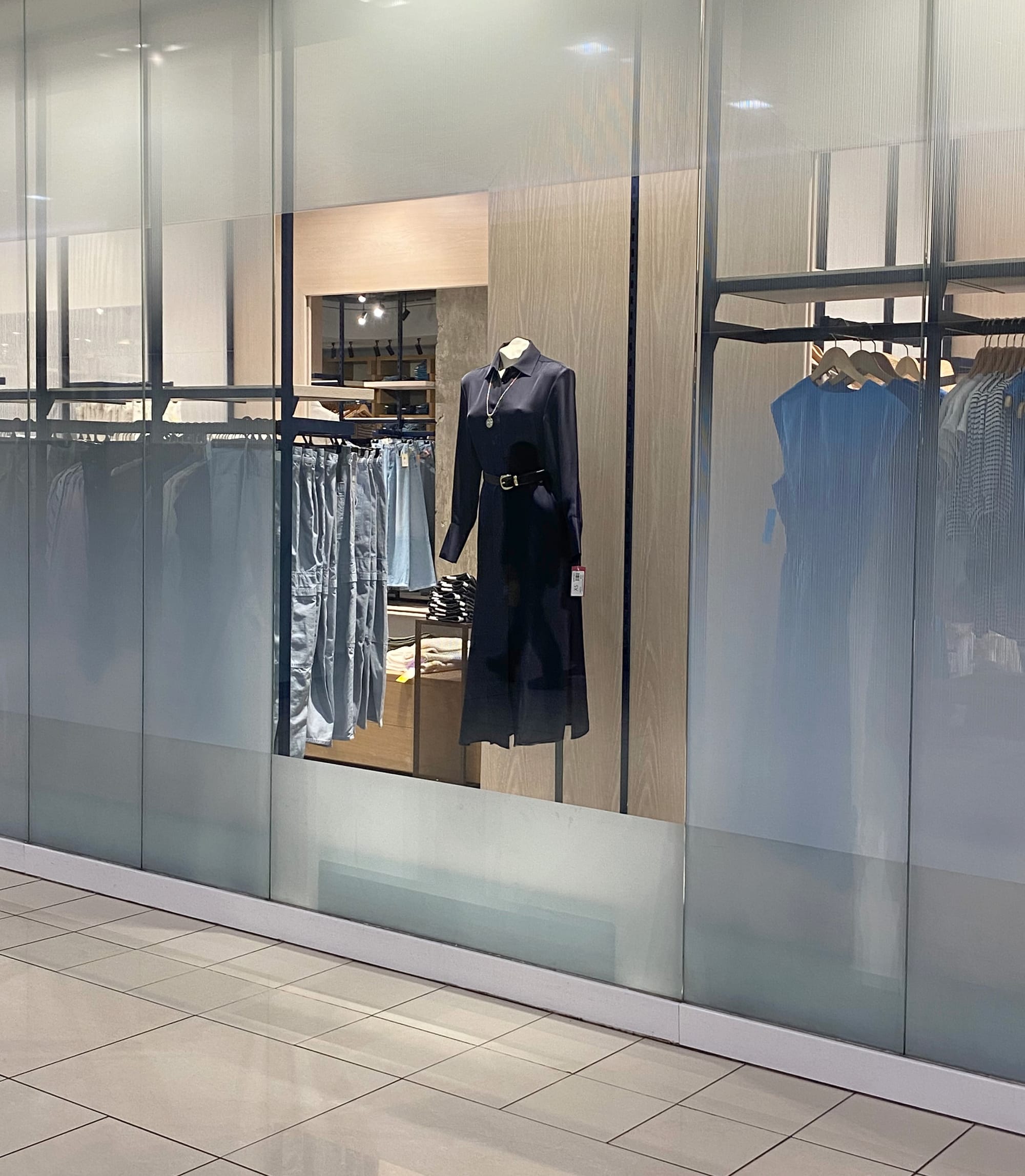
Clothing stores do it too. At Over the Rainbow, smoky windows play down the overwhelming mass of garments, while a transparent square isolates a single dress:
And at Mrs. Huizenga, a battered vintage LP that might have got lost in a stack of records receives special attention on a chair:
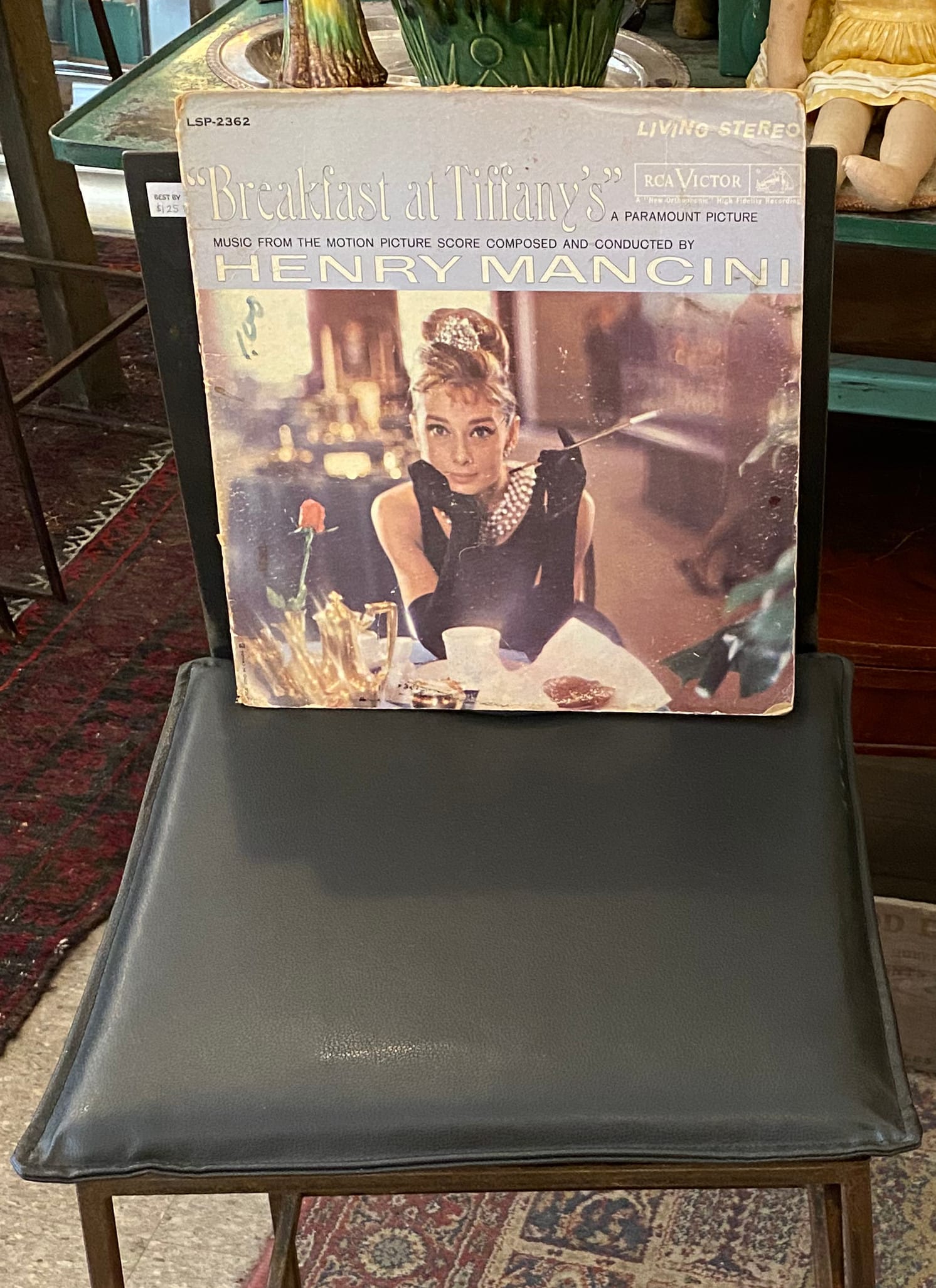
This singling out can work a kind of alchemy. On the left side of the record cover, a magic marker scrawl show that it once sold for one dollar. Flip it over and the new price sticker is twenty. The act of isolating something can magnify its perceived value.
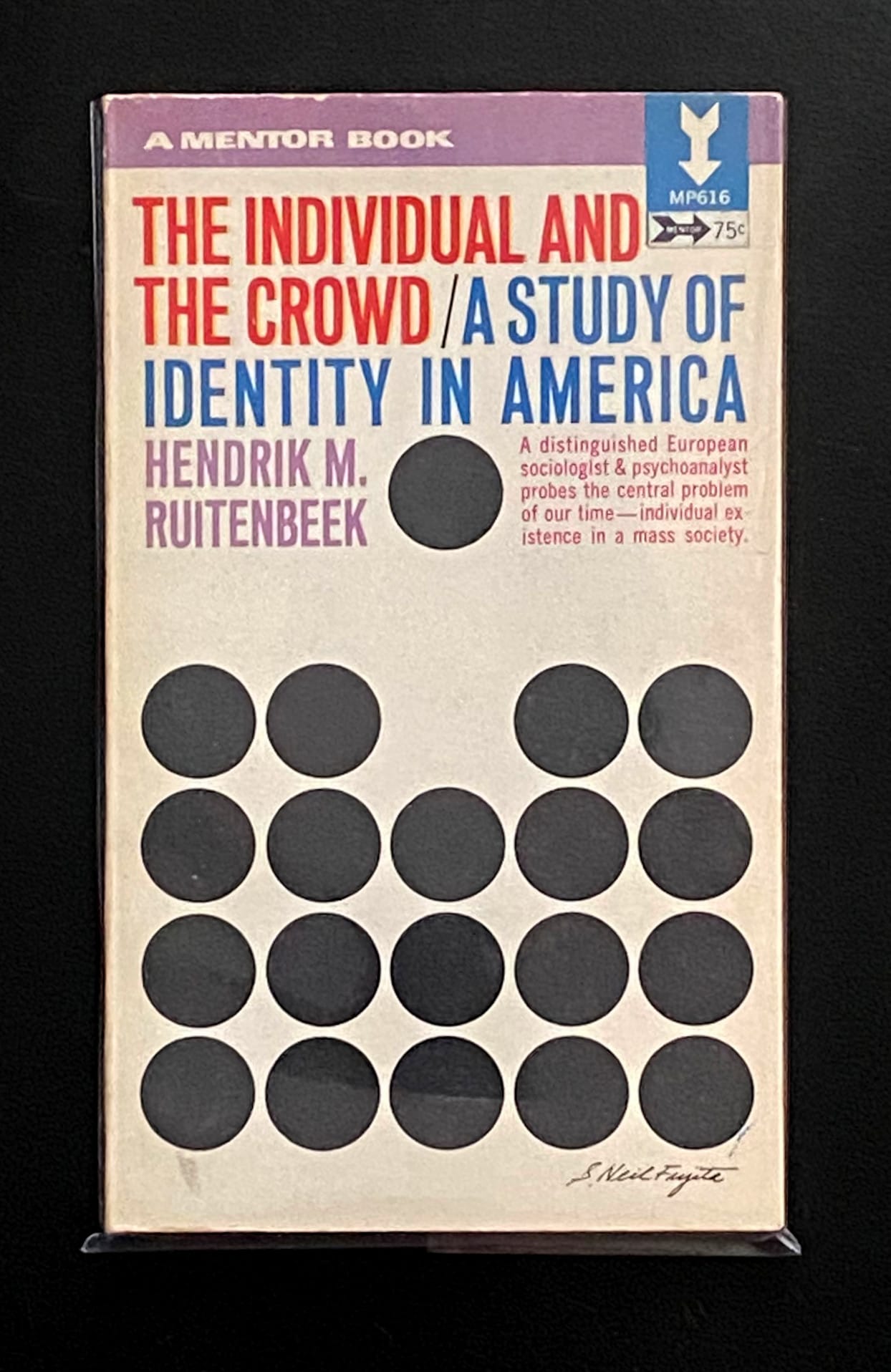
A vintage paperback I picked up at The Scribe recently has a perfect illustration of this phenomenon. Pull a circle out of a crowd and its circularity achieves a new appeal:
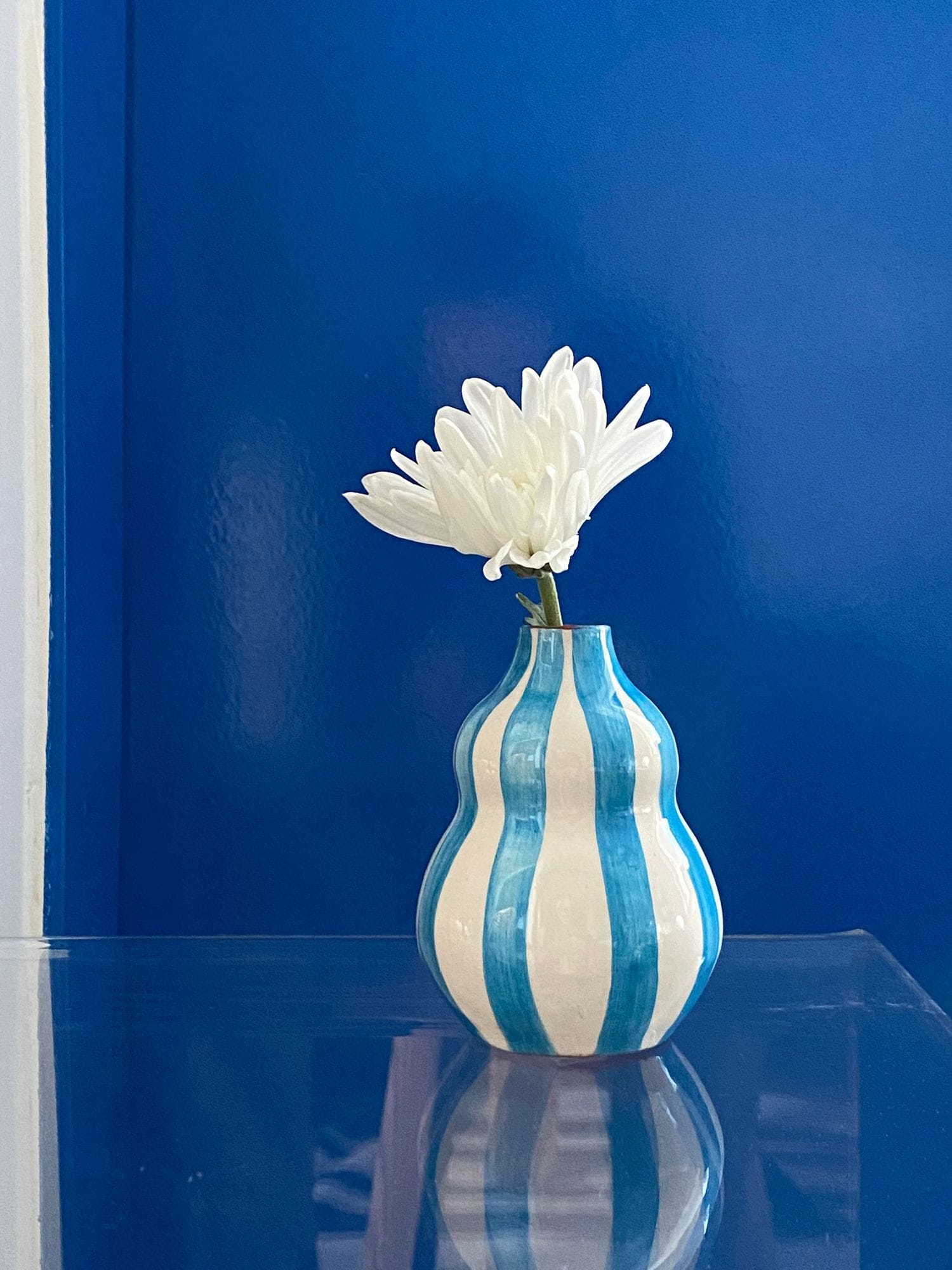
One way to do this at home is to buy a bouquet of flowers and give a favourite stem its own container:
Check out In praise of bud vases for more on this technique.
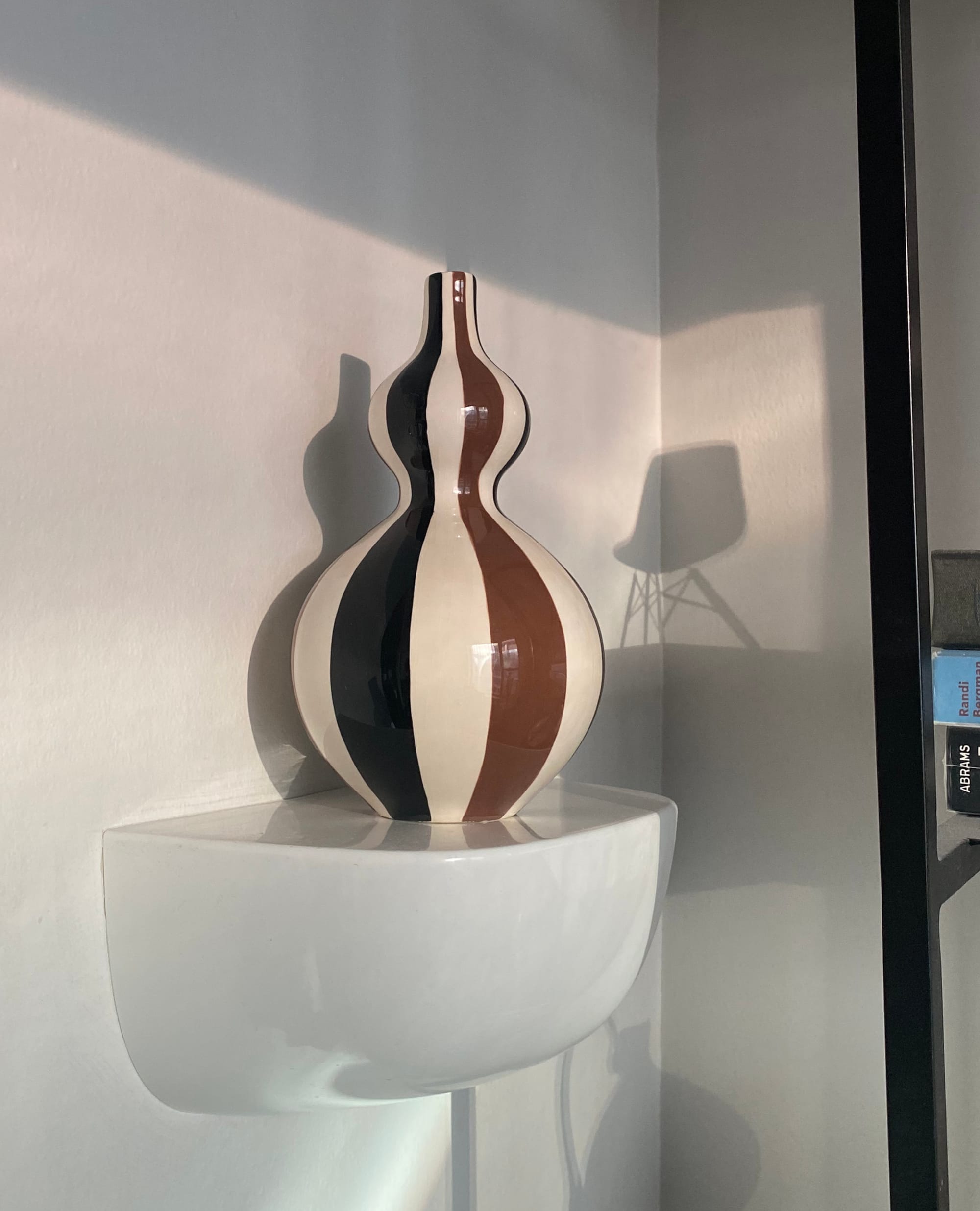
A vase itself can be a candidate for isolating. Pluck it from a crowded shelf and let it shine on its own:
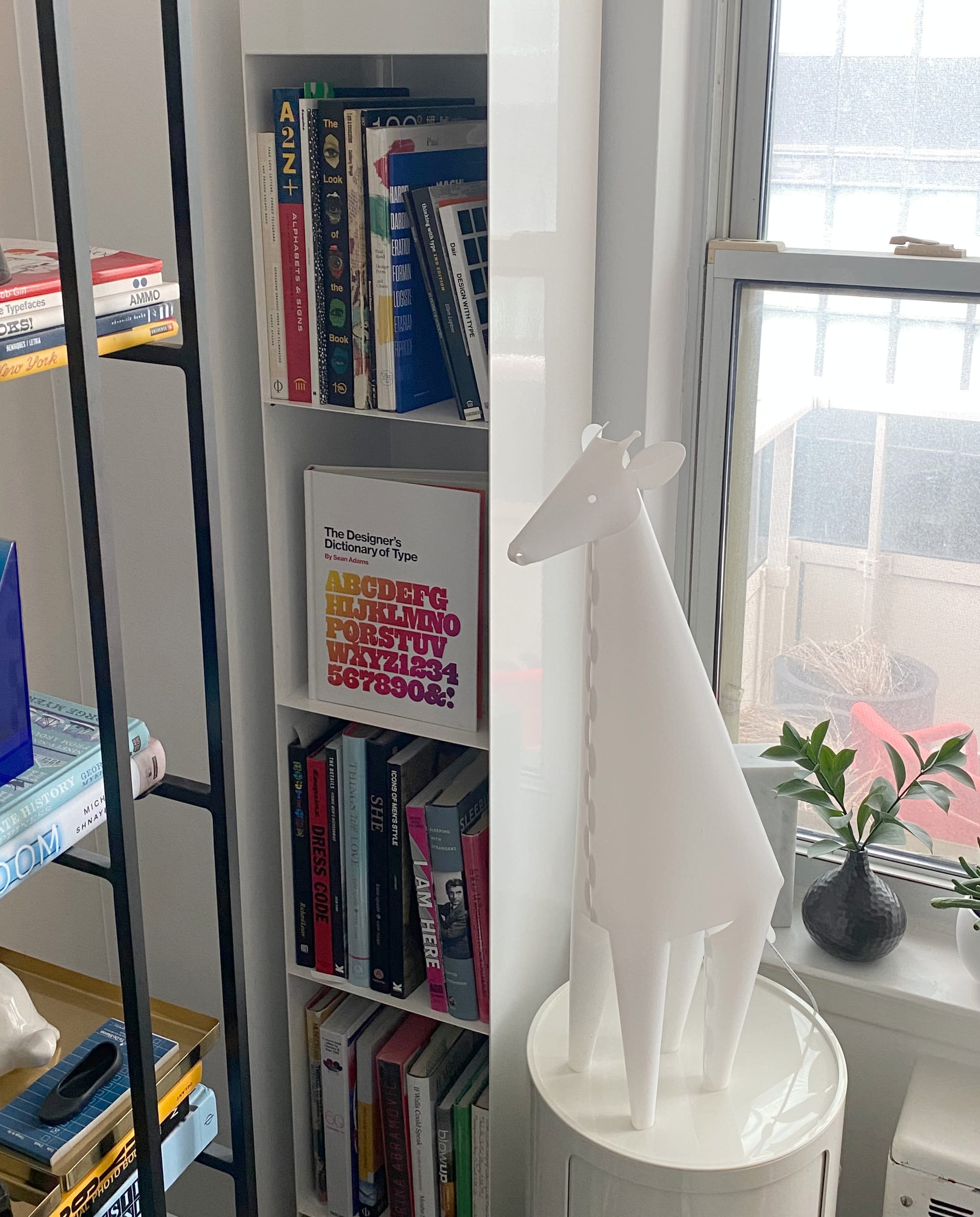
Books with vibrant covers are ideal for singling out, and a narrow bookcase can reinforce the emphasis:
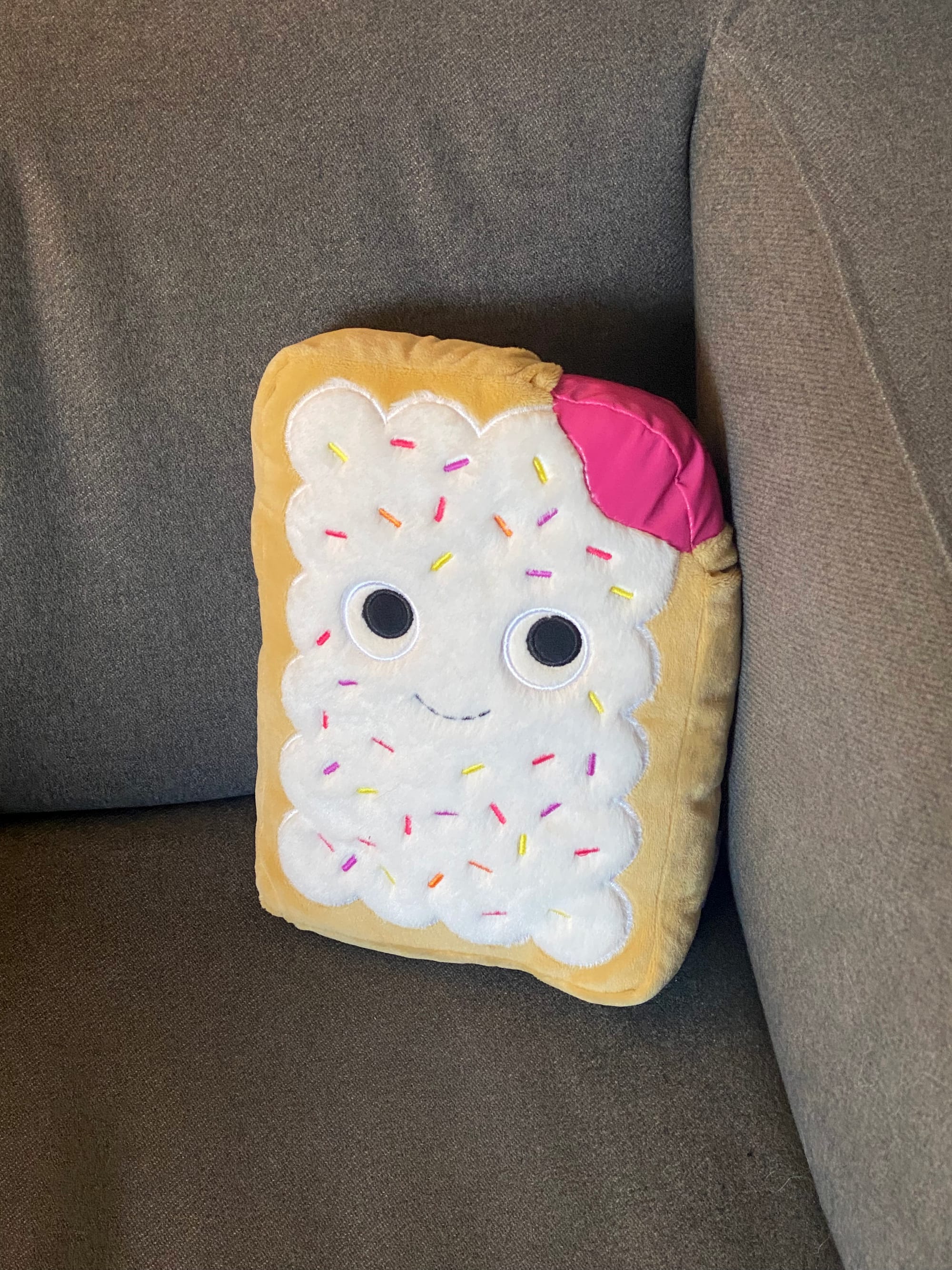
And while stuffed toys look great en masse, sometimes a character is just begging to be appreciated solo:
So with these examples fresh in your mind, find something in your own home that needs star treatment. You may surprise yourself with what you've overlooked for so long.
From the archives
When isolating gets tiresome, try filling up a larger surface with many variants of one thing. This piece from our fast-growing archive shows you how:
 Guy Koolhof
These two approaches can work together to create a room that has busy moments and quieter pauses, resulting in a pleasingly dynamic space.
Elsewhere
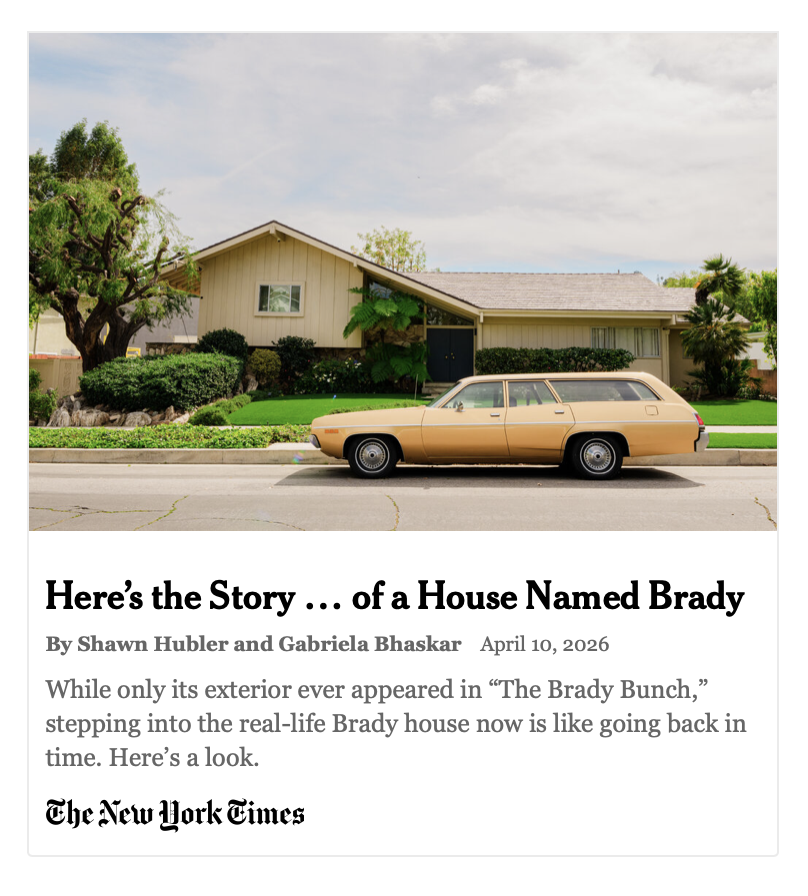
Home transformation stories are a media staple, but this recent article from the New York Times surpasses the conventions of the genre. Find out how a facade used in a famous sitcom became the portal to a fantastically detailed homage to the show:
Thank you for reading. See you in five weeks!






Member discussion