
In praise of zig zags
The weekly micro-decorating newsletter * Issue 6 of 13, SS26 * Subscribe free *
Artist Paul Klee defined a line as "a dot that went for a walk." If so, a zig zag is a walk that can't decide on a direction. It's veering one way, then another, in an alternating rhythm that could go on forever.
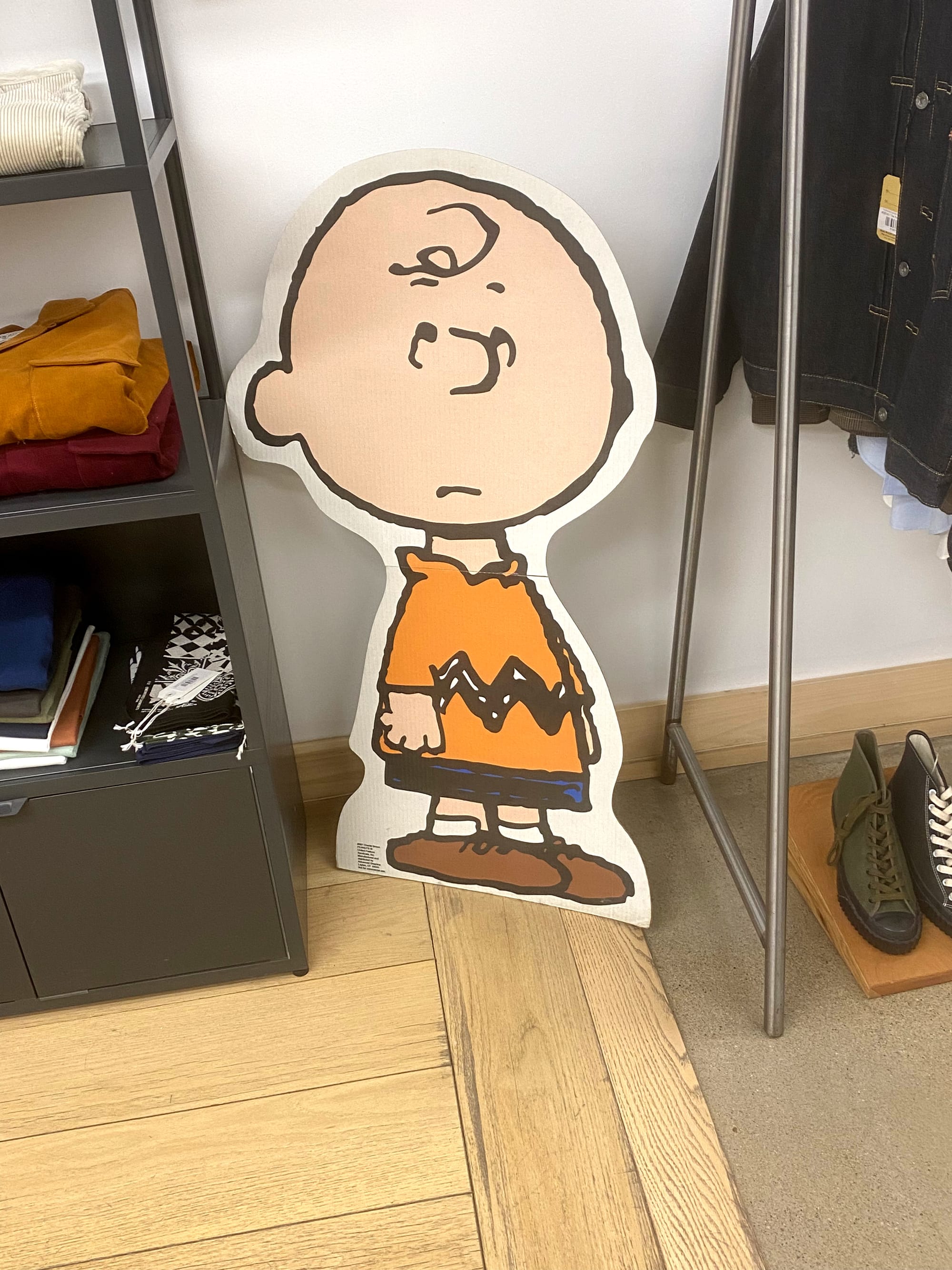
Charlie Brown's shirt is home to the twentieth century's most iconic zig zag. Originally a solid colour, it acquired the motif a few months after the character debuted in 1950. The indecisive design became almost synonymous with an ordinary boy faulted as "wishy-washy":
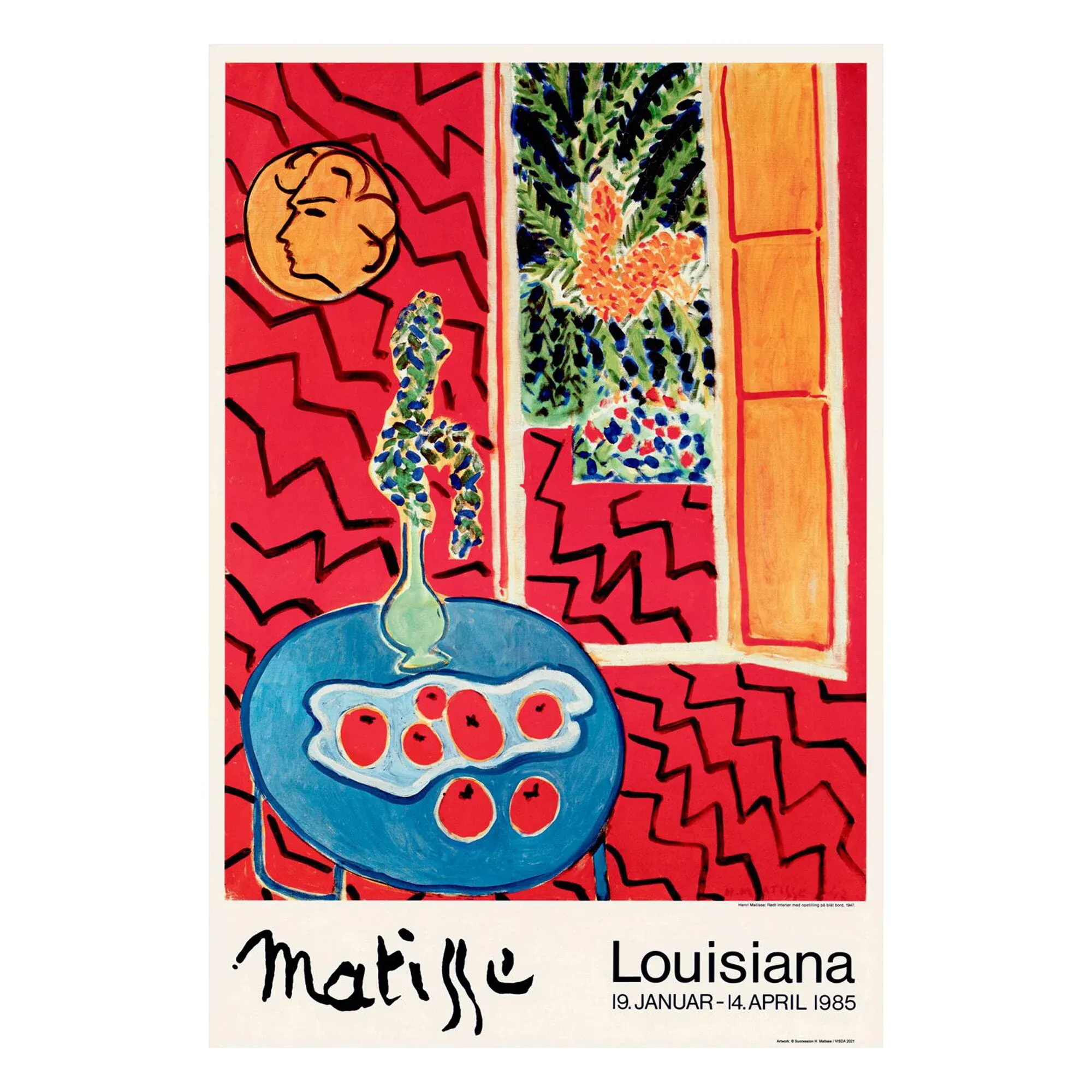
A zig zag might symbolize an either-or state that goes nowhere, but in other contexts it becomes a dazzling disruptor. Three years before Charlie Brown's first appearance, Henri Matisse painted "Red Interior with Arrangement", its jagged zig zags as powerful as strokes of lightning:
A zig zag's force attains new clarity when three-dimensional. Mid-century architecture is rife with serrated lines, a fact well documented in this book about Toronto:
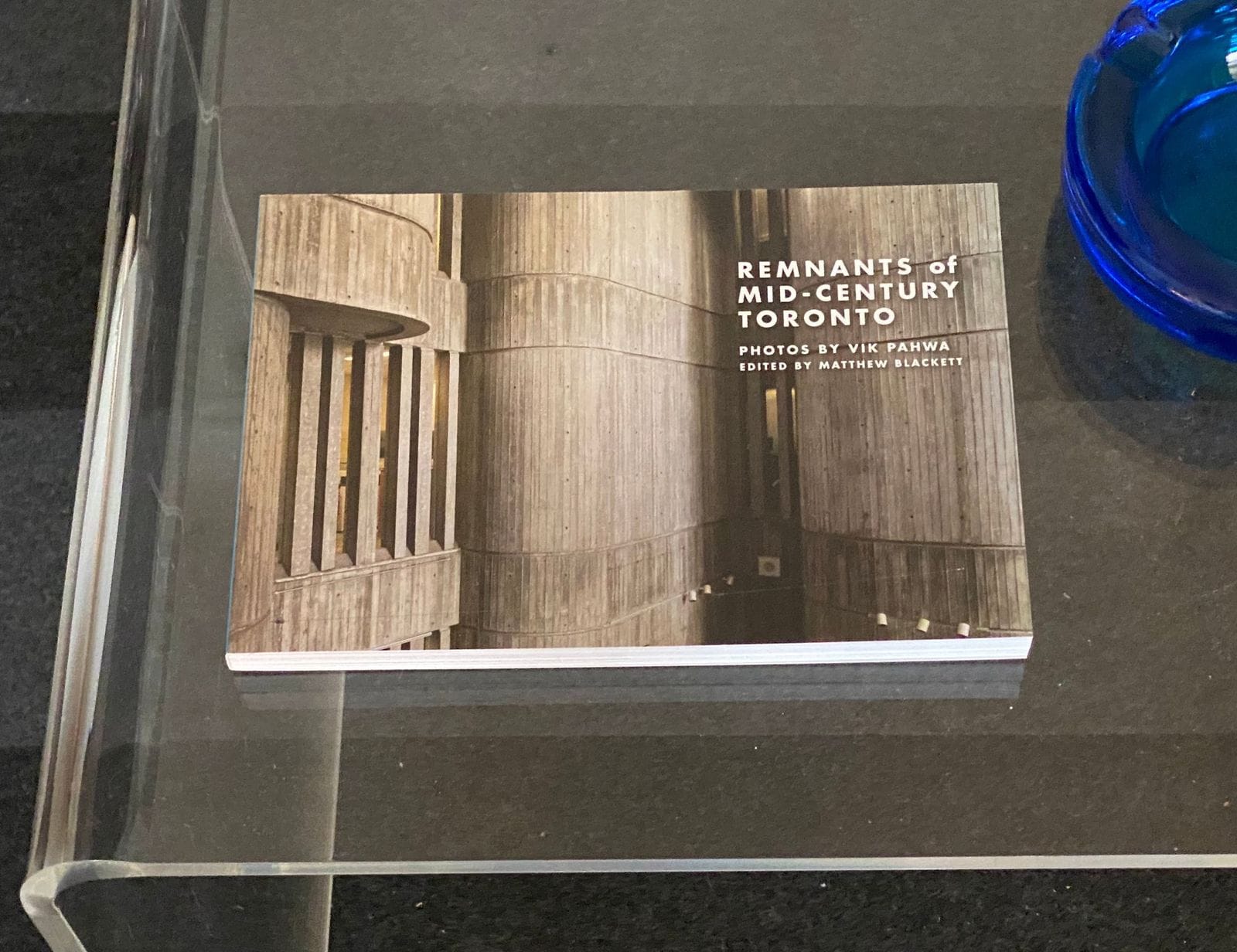
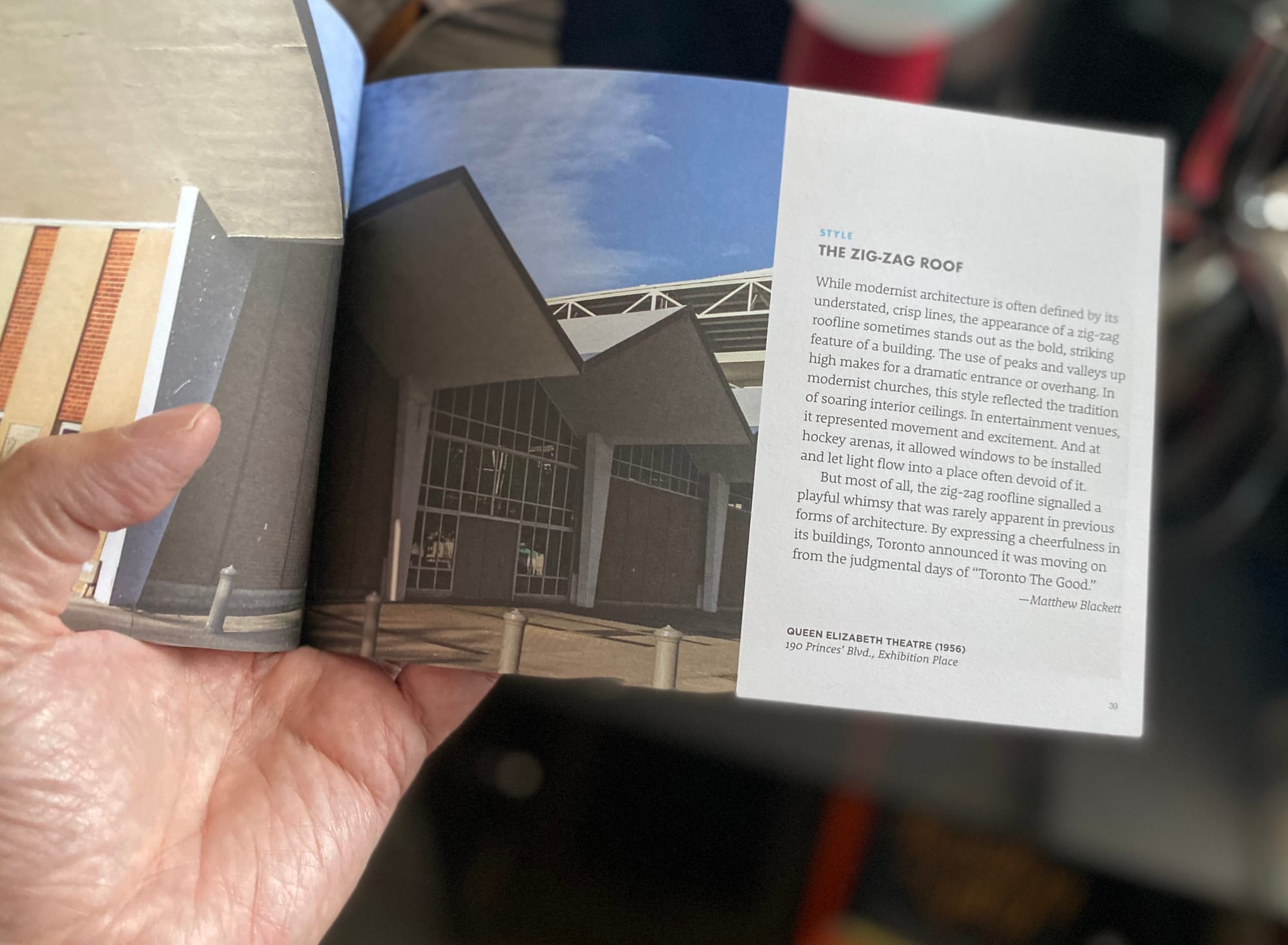
According to editor Matthew Blackett,
I'm fortunate to live a few blocks away from a prime example, the "Bloor Yonge Tower" on Gloucester Street. Its zig zag is integrated enough to be invisible at first glance, but once you notice it, the entire building exudes a quiet joy:

Flexible zig zags have an aura of their own, inviting us to bend them into all sorts of poses:
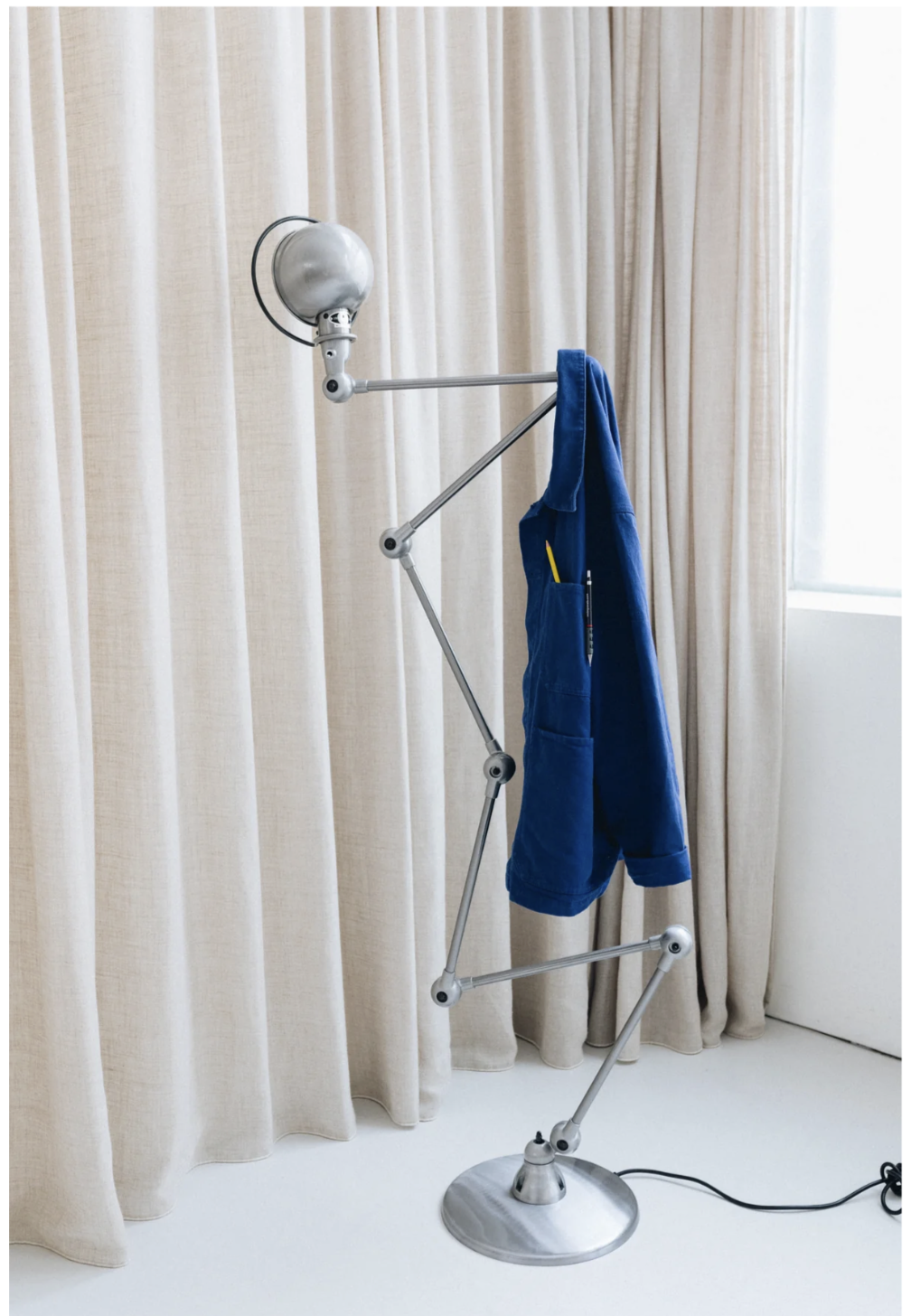
Even in a form as humble as a collapsible ruler, they encourage hands-on inventiveness...
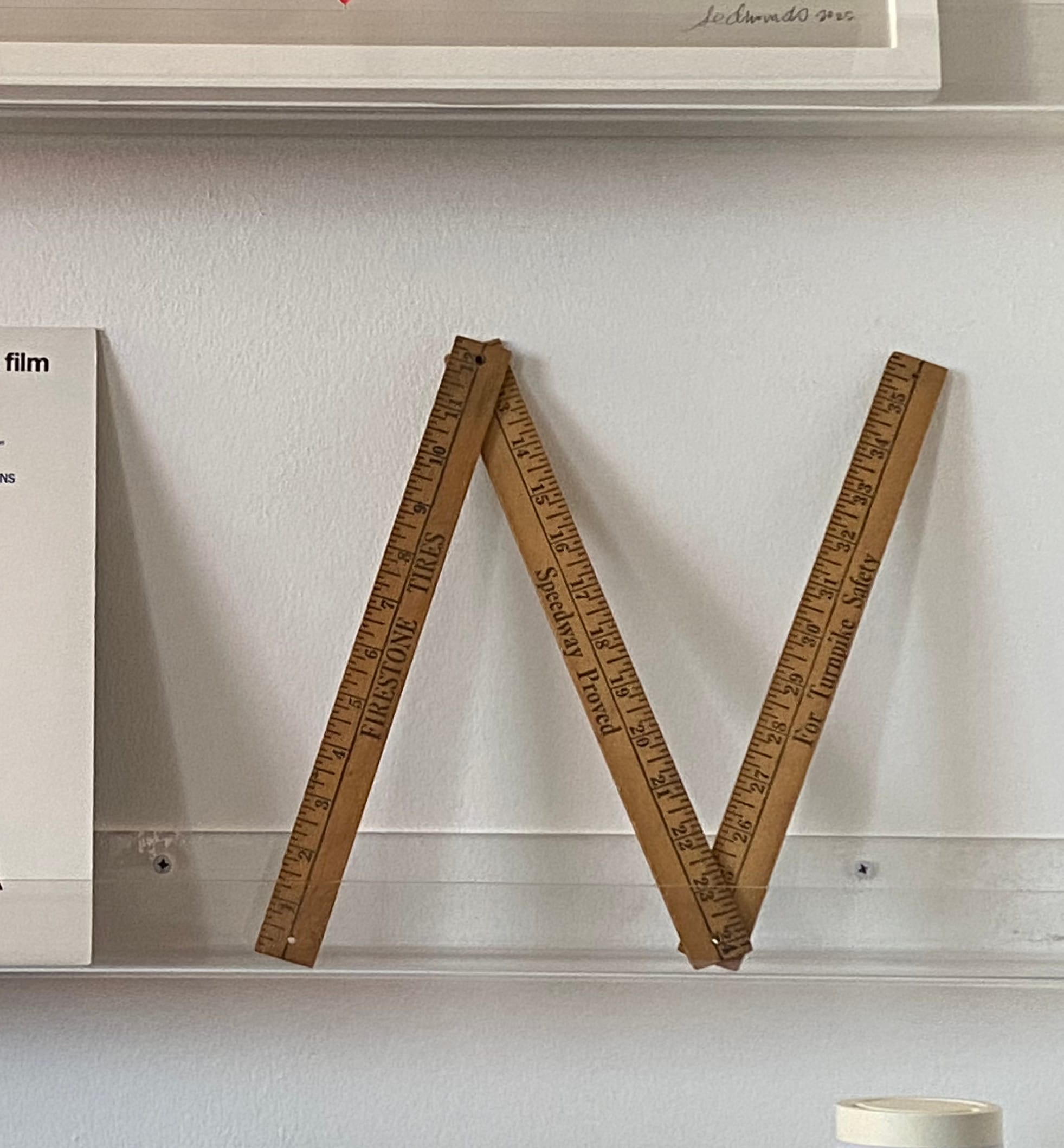
...making them an adaptable addition to larger displays:
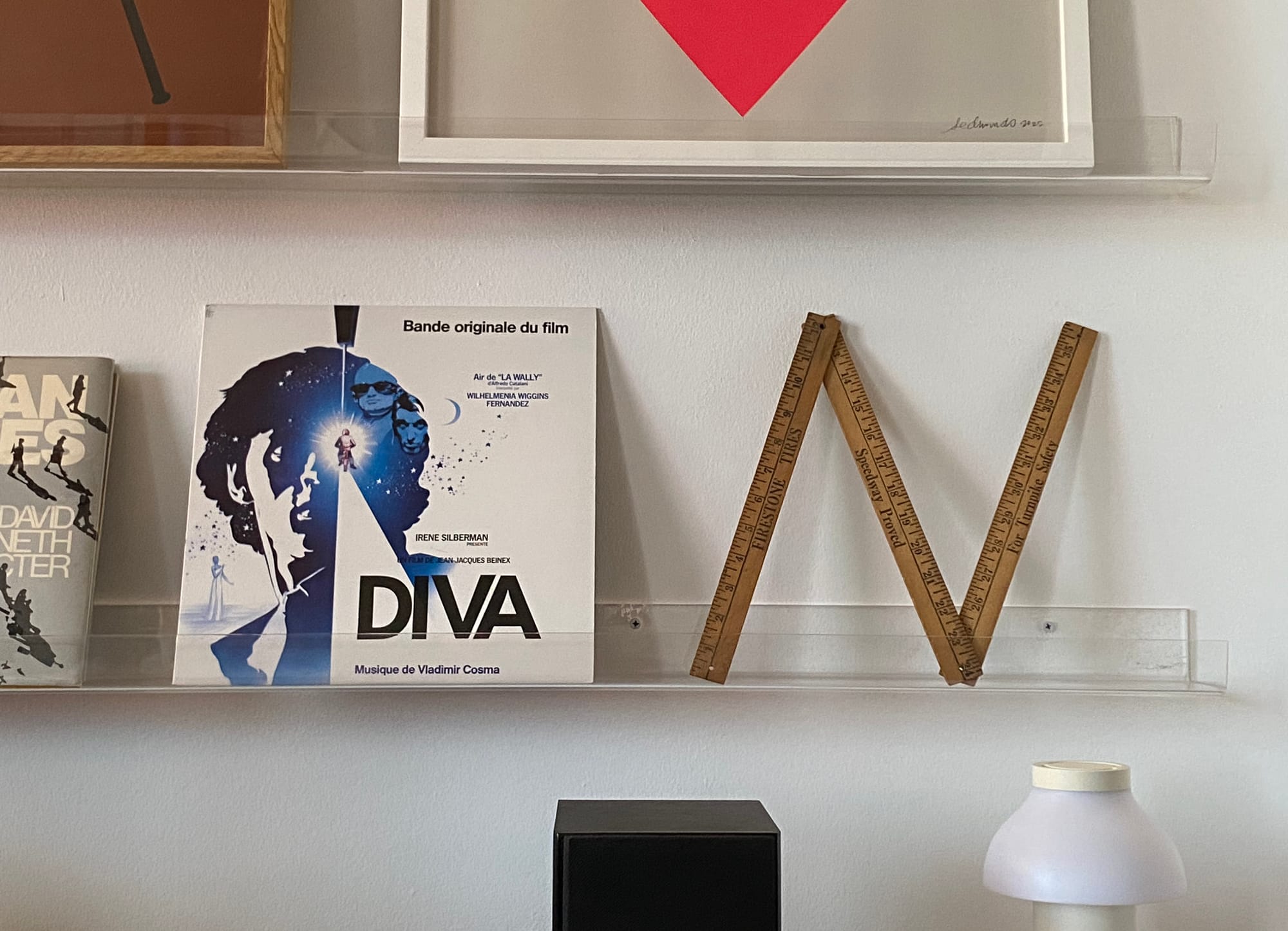
There's a hint of zig zag in the smallest of task lamps:
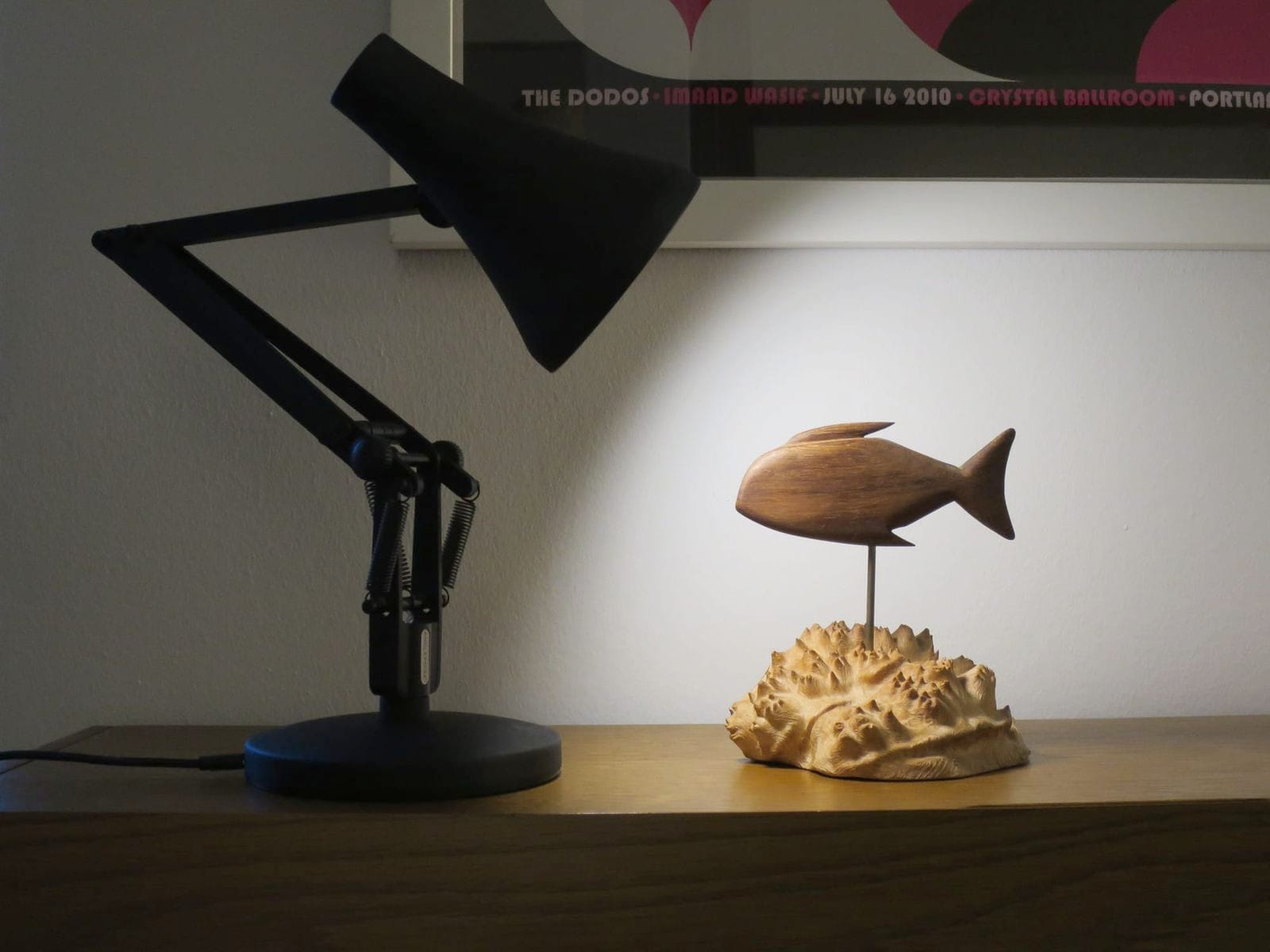
Perhaps it should just be called a "zig" when it only has two segments.
Once there are three segments, true zig-zagginess begins to unfold:
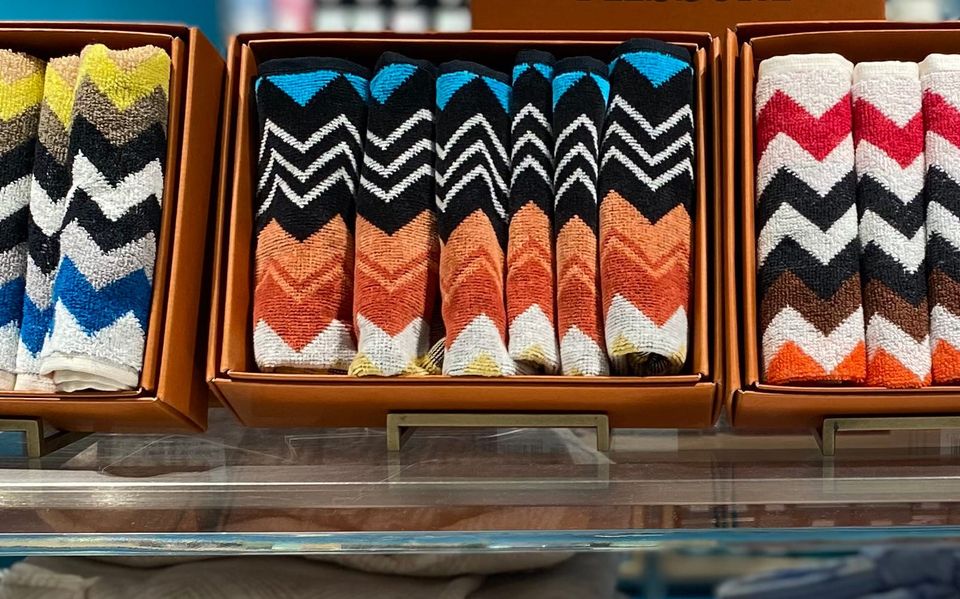
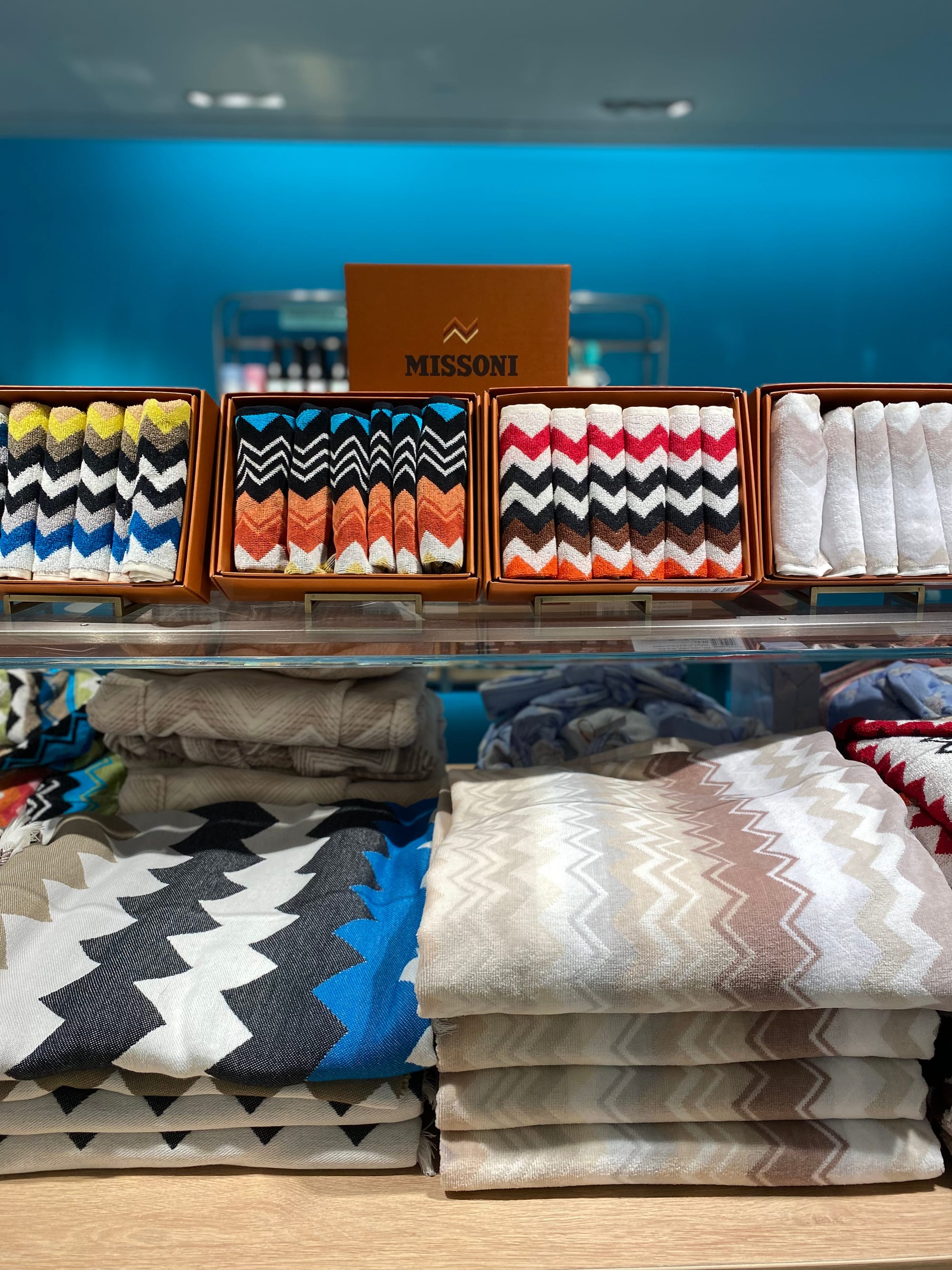
In the world of fashion, the Italian knitwear company Missoni made zig zags luxurious. Founded in 1953, just three years after Charlie Brown's famous shirt appeared, it extends its reach into all sorts of other home textiles, as I learned on a recent visit to Holt Renfrew:
A zig zag might be a satisfying pattern to wrap yourself in after a bath, but it has another bodily dimension on view at the southwest corner of the Manulife Centre, where an angular pathway leads to the top of a landscaped garden. Like a gigantic "W" turned ninety degrees clockwise, it feels both familiar and strange. Travelling up the sloped walk is meditative...
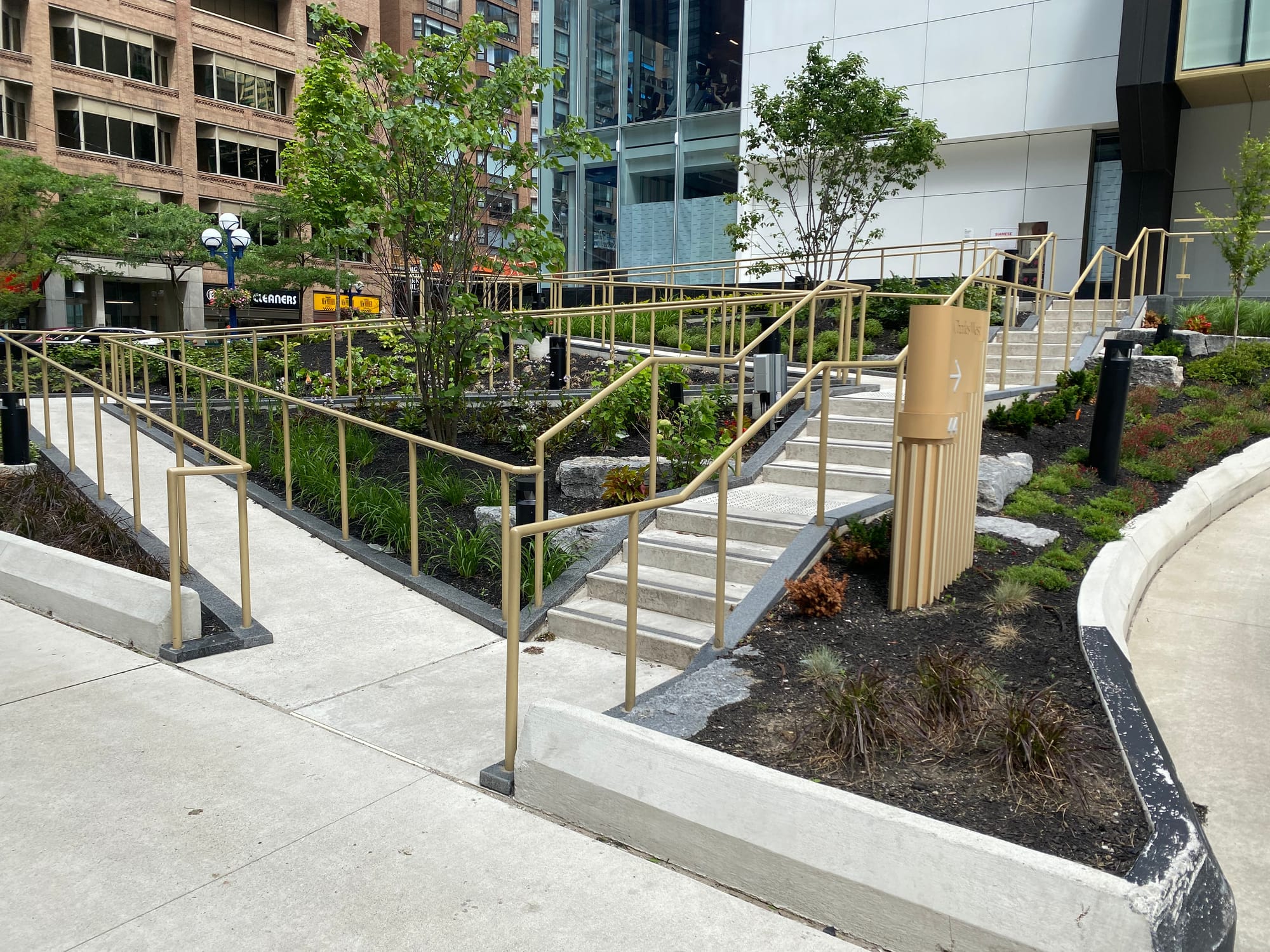
...and when you get to the top, you're rewarded with a heightened view of the busy Bay-and-Charles intersection:
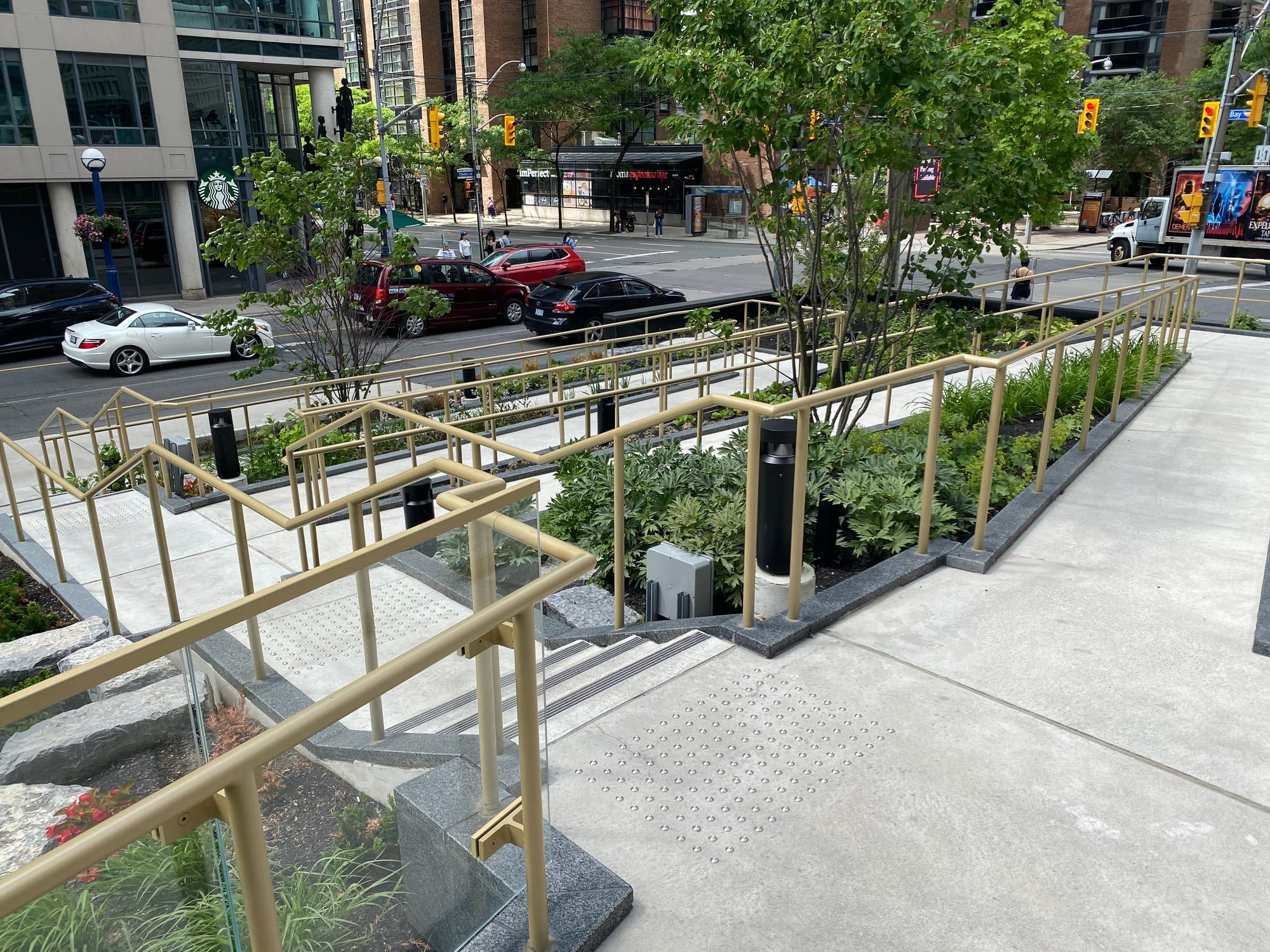
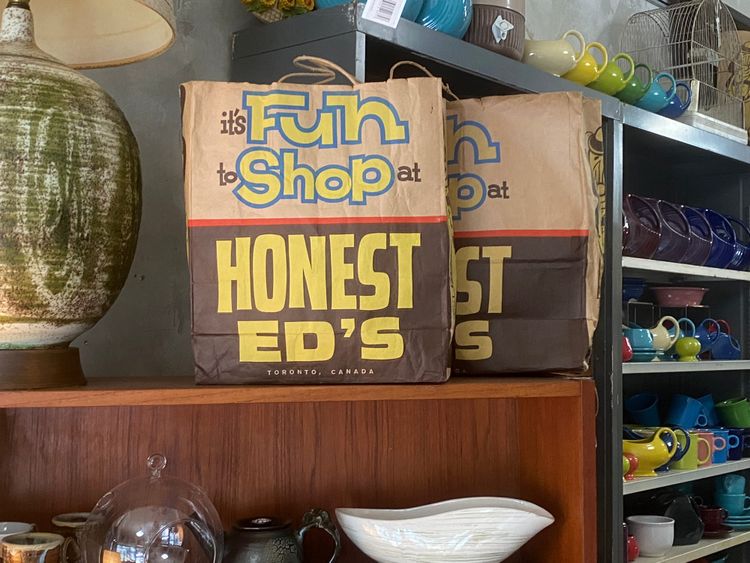
As much as I enjoy spotting zig zags in my neighbourhood, there's one I'll always return to out in Leslieville:
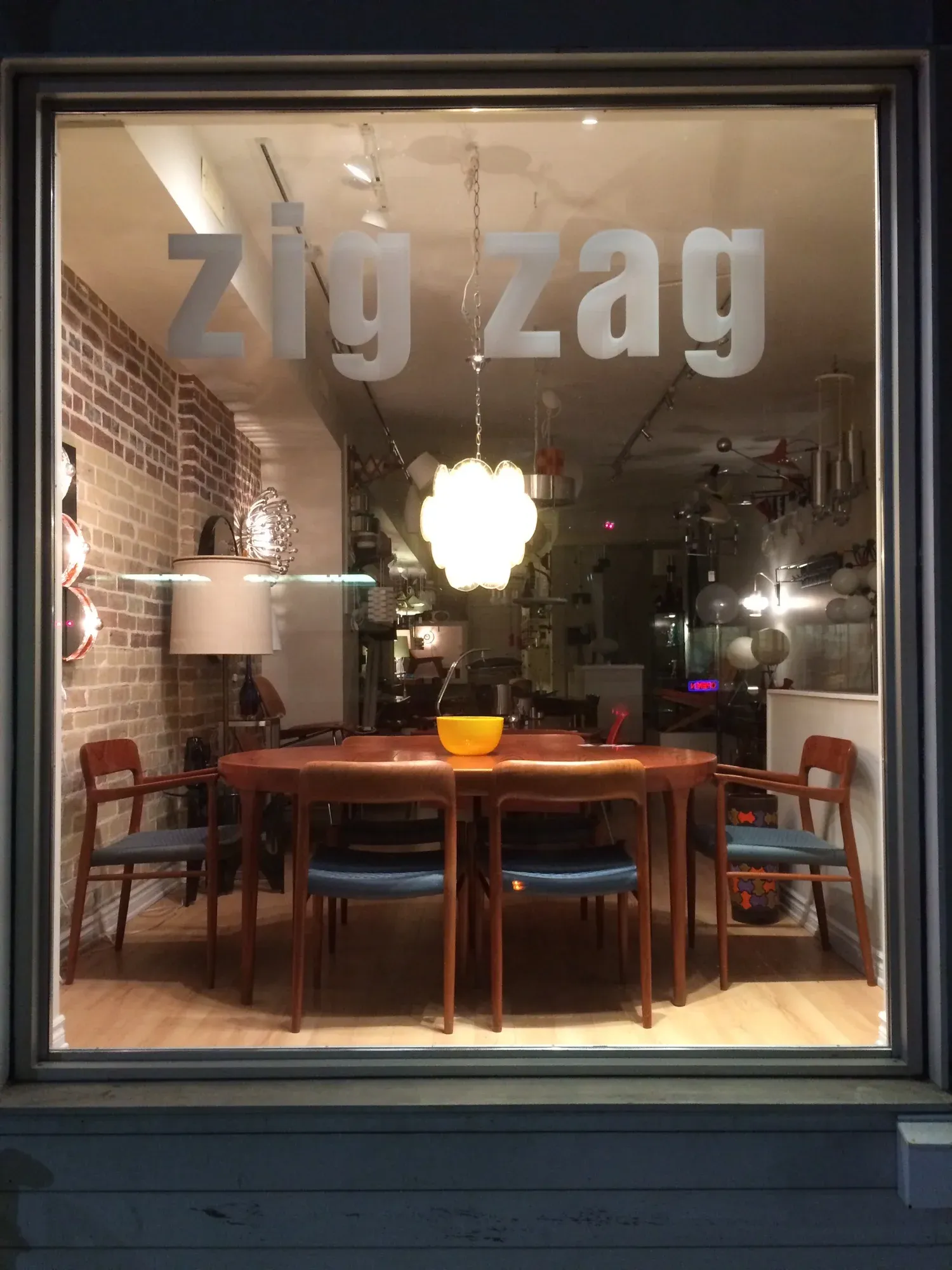
It's one of my all-time favourite spots for vintage finds. And in a way it proves the dual nature of the zig zag. The objects you'll find there might at first seem as matter-of-fact as Charlie Brown's shirt. But if you pay attention and really look, you'll see the irrepressible whimsy common to all zig zags. It's hiding in these treasures, just waiting to get out.
Thank you for reading.
They can sign up here. It's published on Wednesdays.

Member discussion