
Breaking a design rule – joyfully

Micro-decorating, big results * Issue 4 of 13, A26 * Subscribe *
If you read design advice, you'll likely have come across the truism that things look better arranged in odd numbers rather than even: three, five, or seven objects together are said to be way more appealing than two, four, or six.
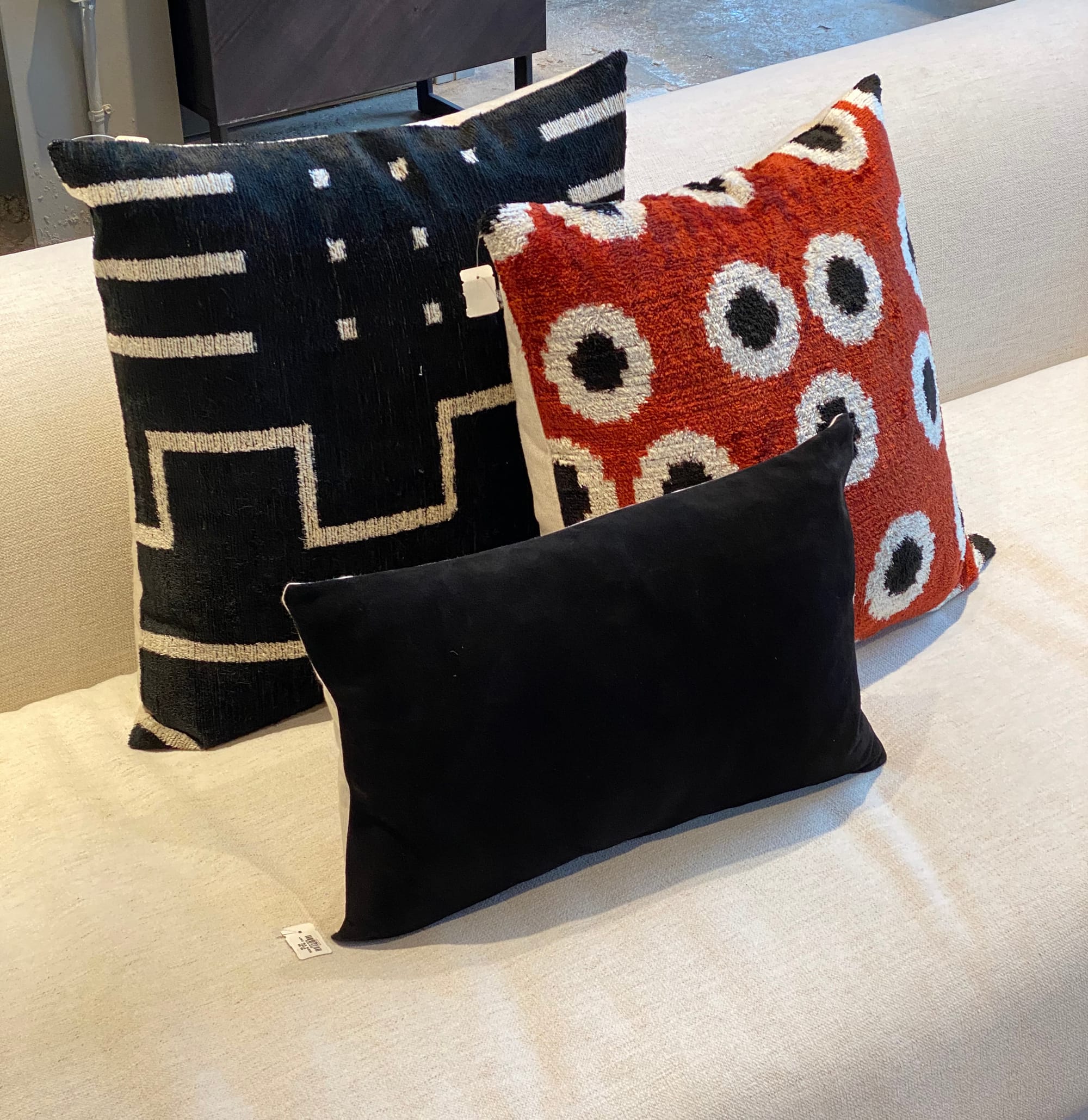
The easy shorthand version of this rule is simply grouping things in trios. It's a common sight in design showrooms, like this arrangement of throw pillows at CB2:
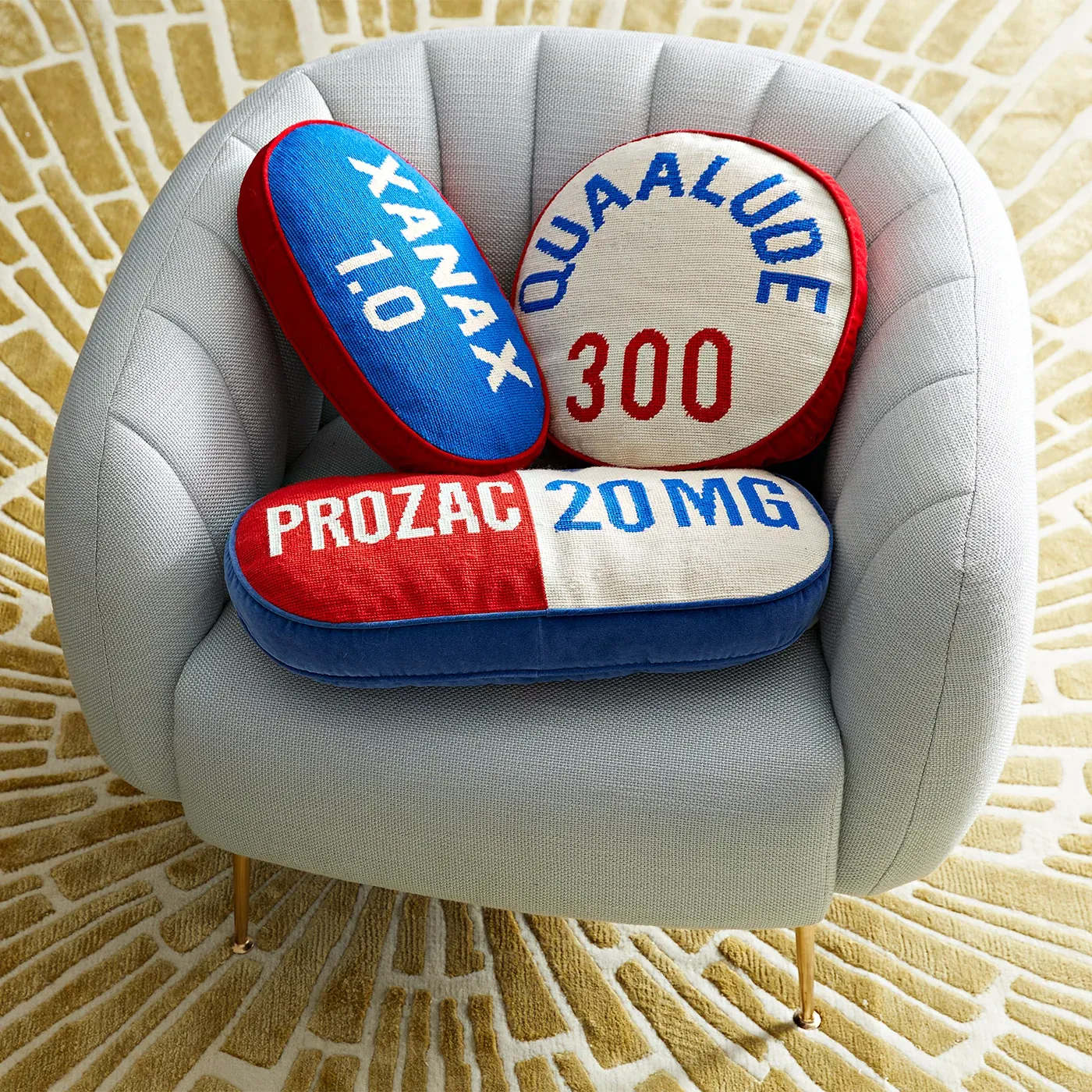
It's a designer's tactic as well, perhaps a way of selling triple the amount of goods, as in this loopy Jonathan Adler collection:
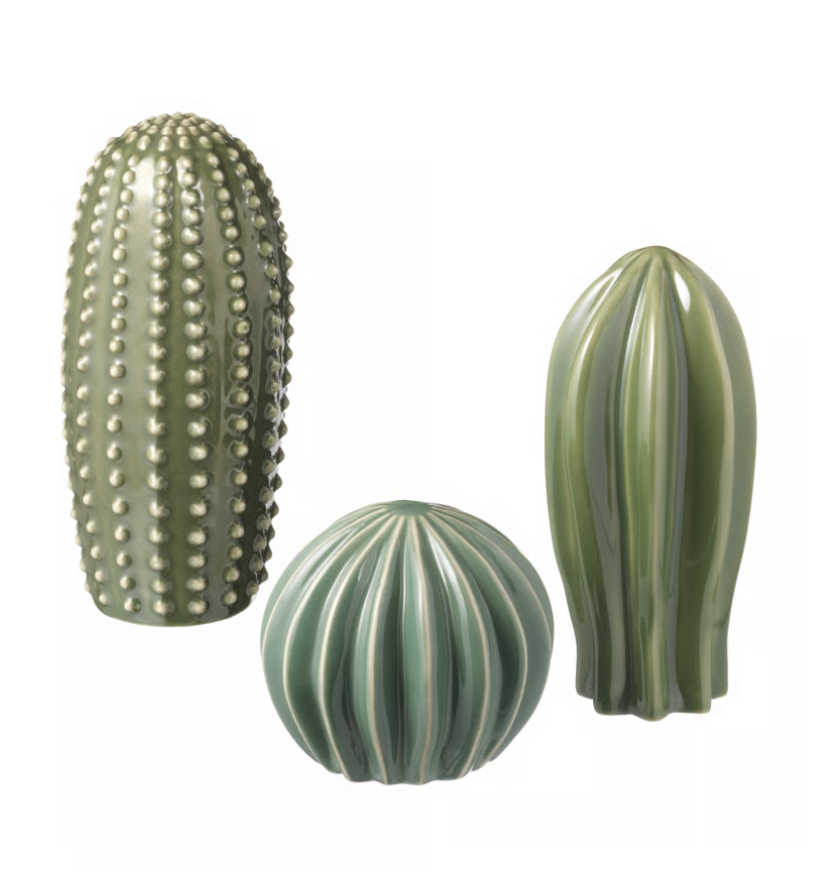
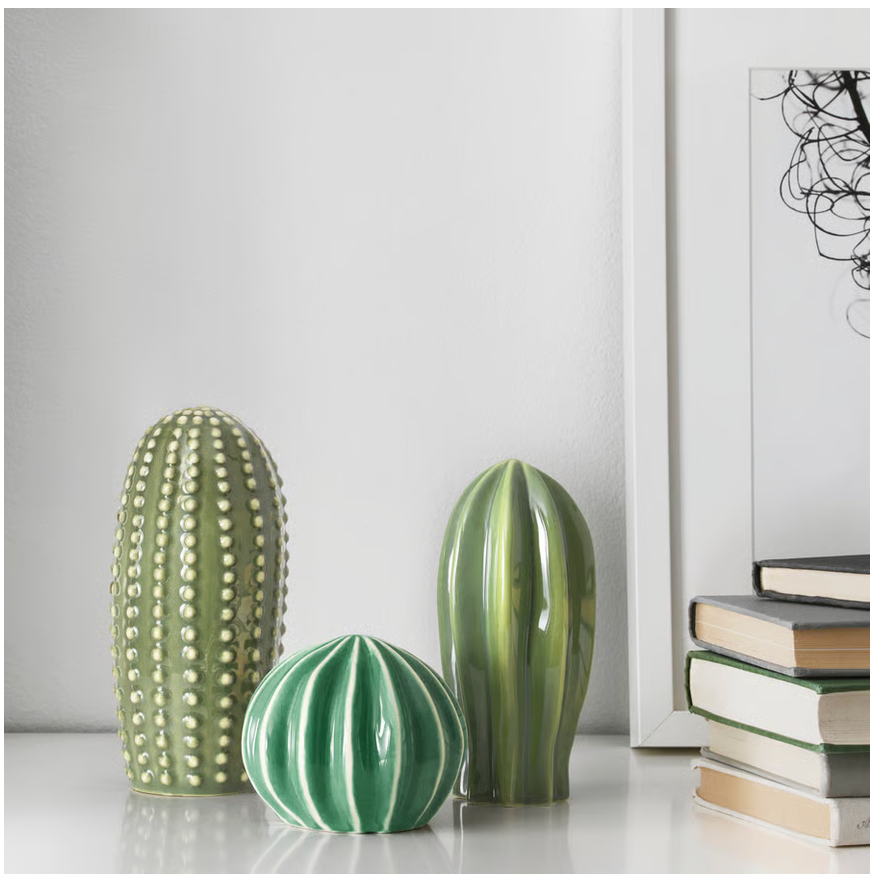
There are signs that the device works, for example this set of decorative cacti at IKEA...
Photos courtesy of IKEA
...has over 1,000 reviews, with an average rating of 4.8 stars out of 5. The Swedish powerhouse knows how to tap into our instincts.
But three can have an oppressive familiarity when seen too often. What if we up the number to four? Would we really be committing such a crime against good taste?
I tried it around my apartment to find out. An arrangement in metal, wood, and stone...
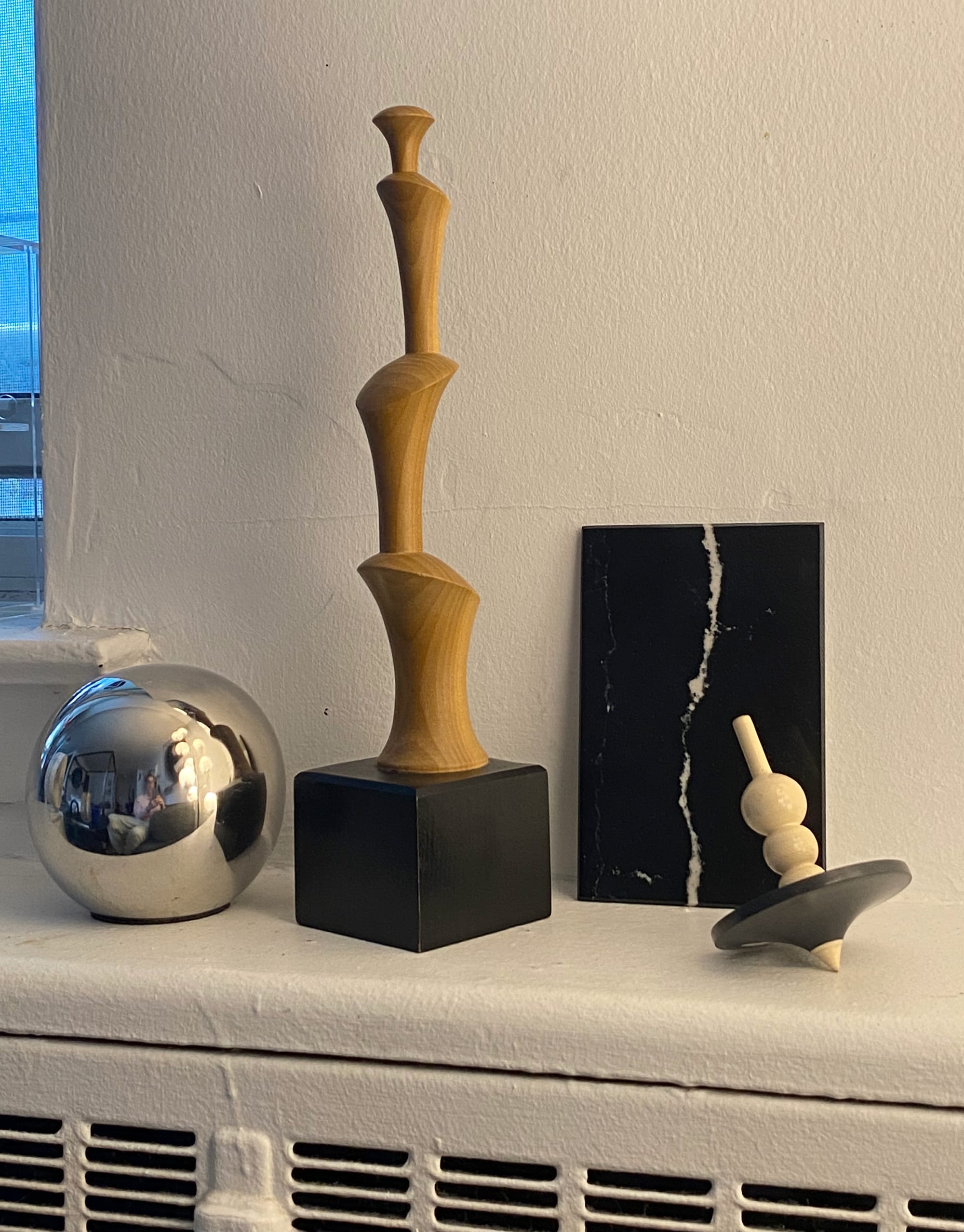
...felt cohesive, perhaps due to the neutral colours and all-natural materials.
The smoked acrylic coffee table in my living room became home to further experiments:
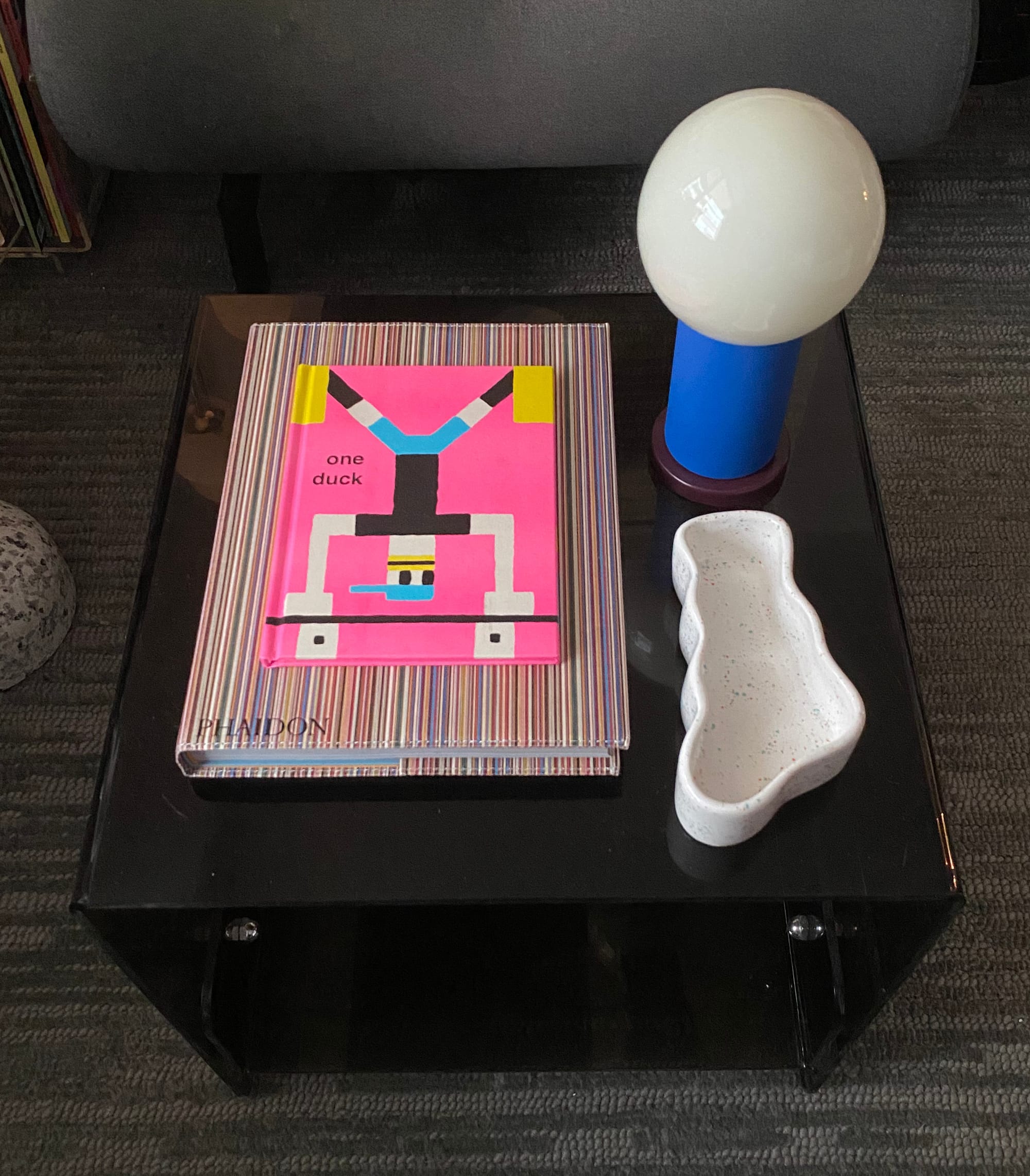
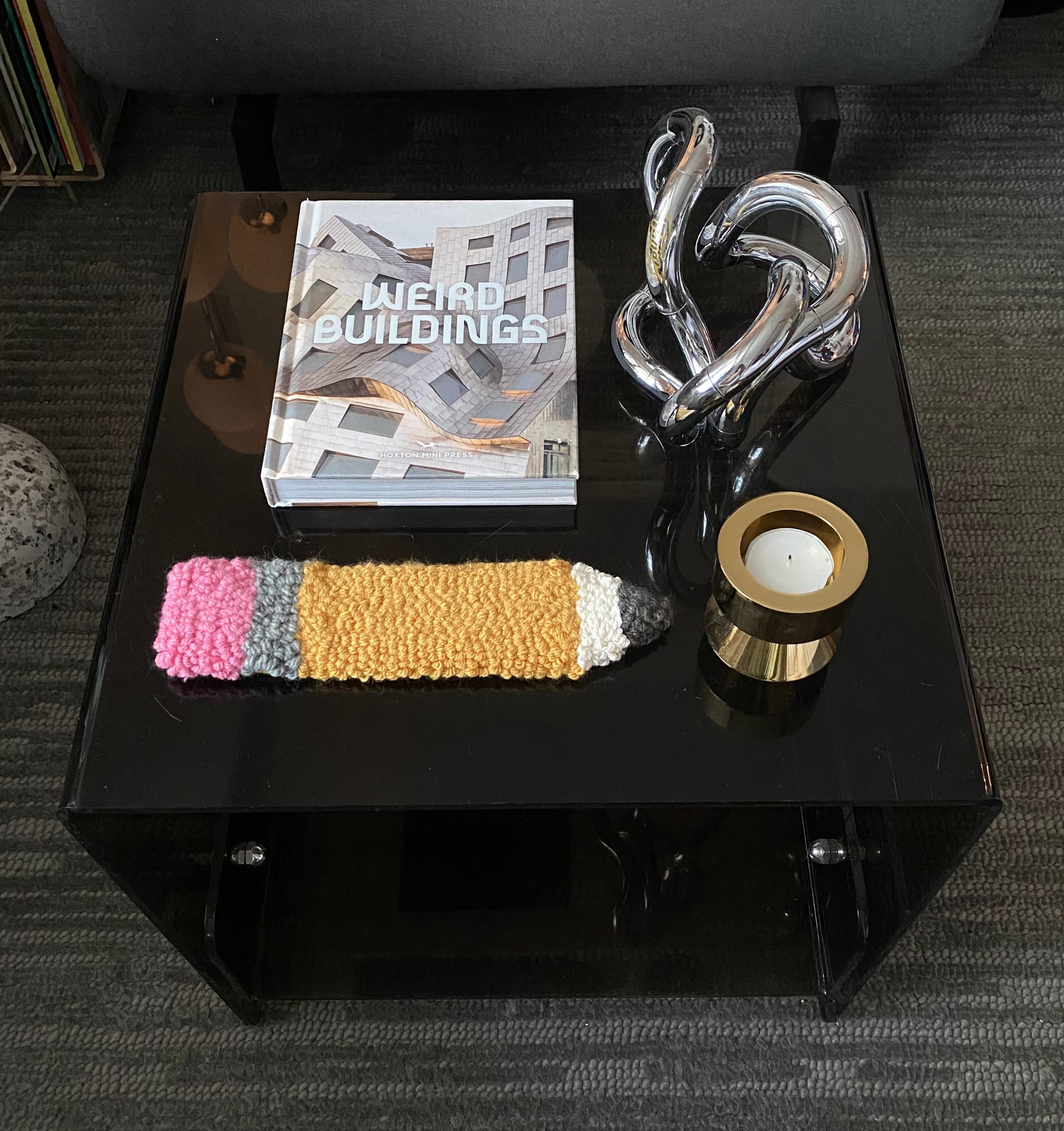
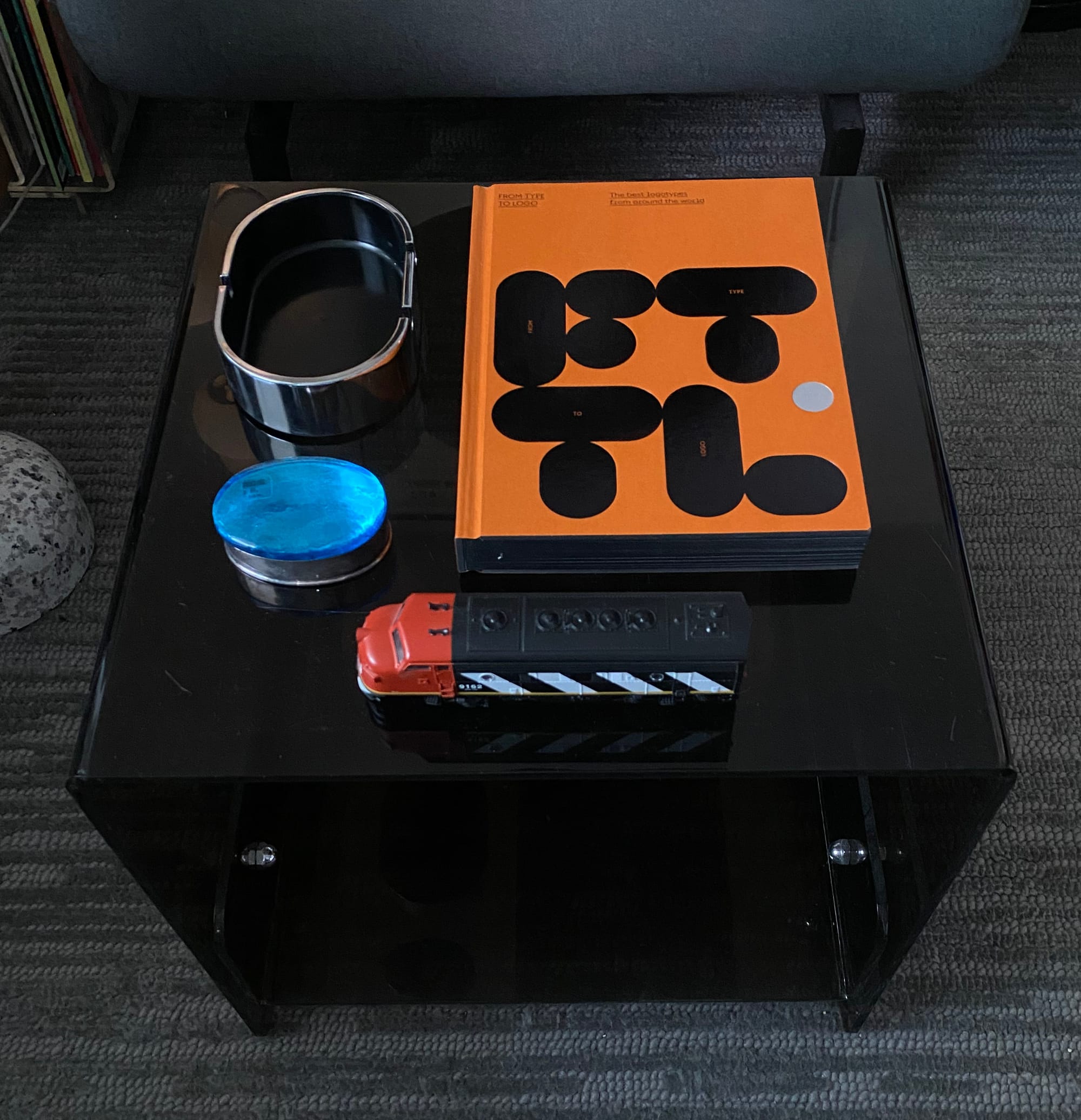
Photos: Corneil Van der Spek
In my opinion, the rule-breaking worked. In all three cases, I found the result satisfying to look at. It might be table's four equal sides that help bring order to the disparate items.
I also played around with adding things to a Corniche wall shelf, bringing together plastic, porcelain and glass:
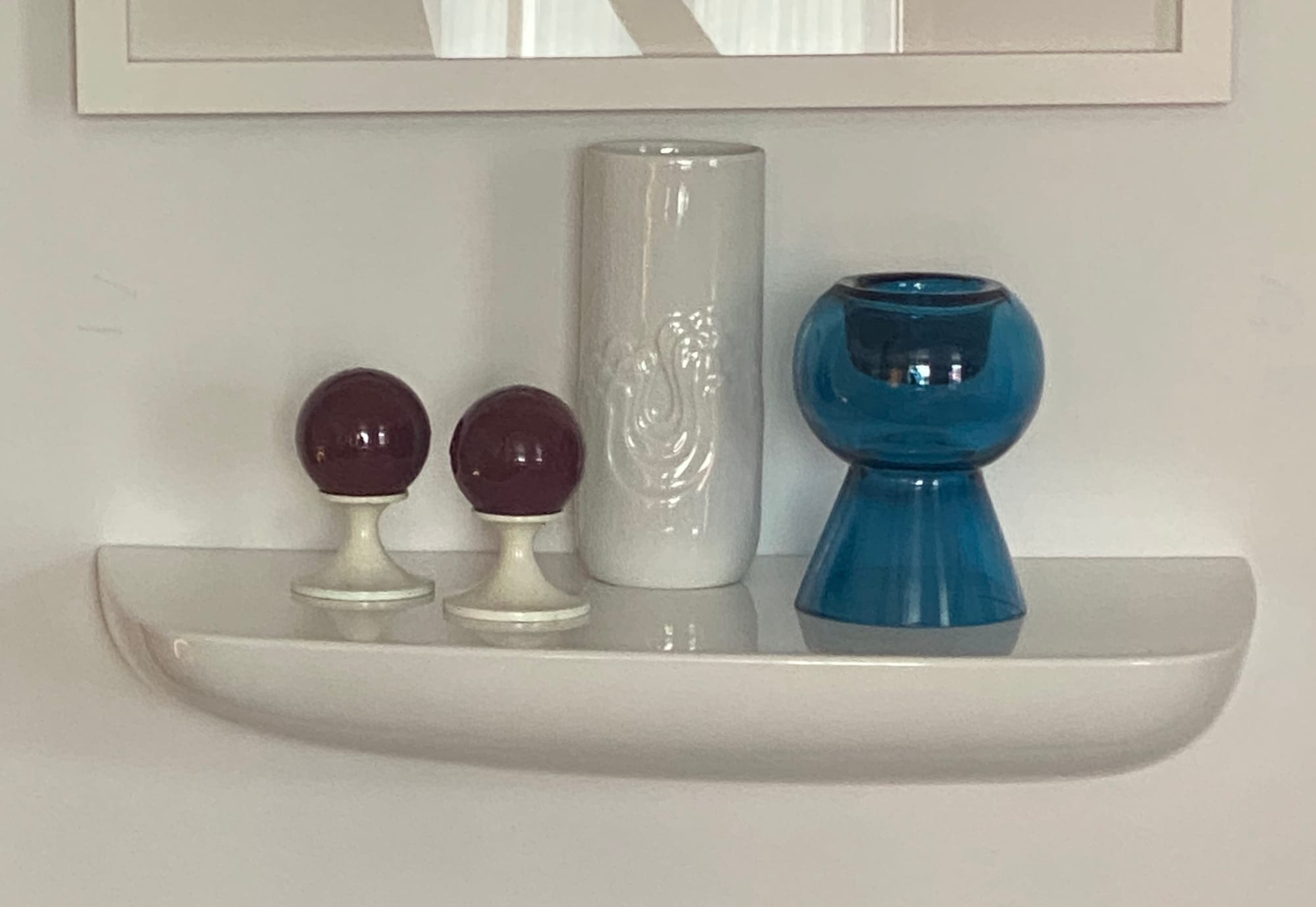
The fact that one item is doubled is no doubt helpful in making this seem pleasing.
Would any of these arrangements be improved if I subtracted one item, resulting in that idealized three? I don't know. But I do know I'm now more inclined to be reckless and break the odd-number spell, just to see what happens.
My theory is this: if the items you gather are all things you enjoy looking at, there will certainly be a way to combine them harmoniously, even if their number is four. Your personal style is the connecting element, leading to an inevitable sense of belonging.
So forget counting as you assemble your home. Just make each addition matter. The best principle might be what brings you and your loved ones joy.
Elsewhere
When you live in a small home like I do, subtracting is just as important as adding. There's no shortage of articles on letting go of possessions, but this piece from The New York Times has the advantage of being based on how the human brain works:
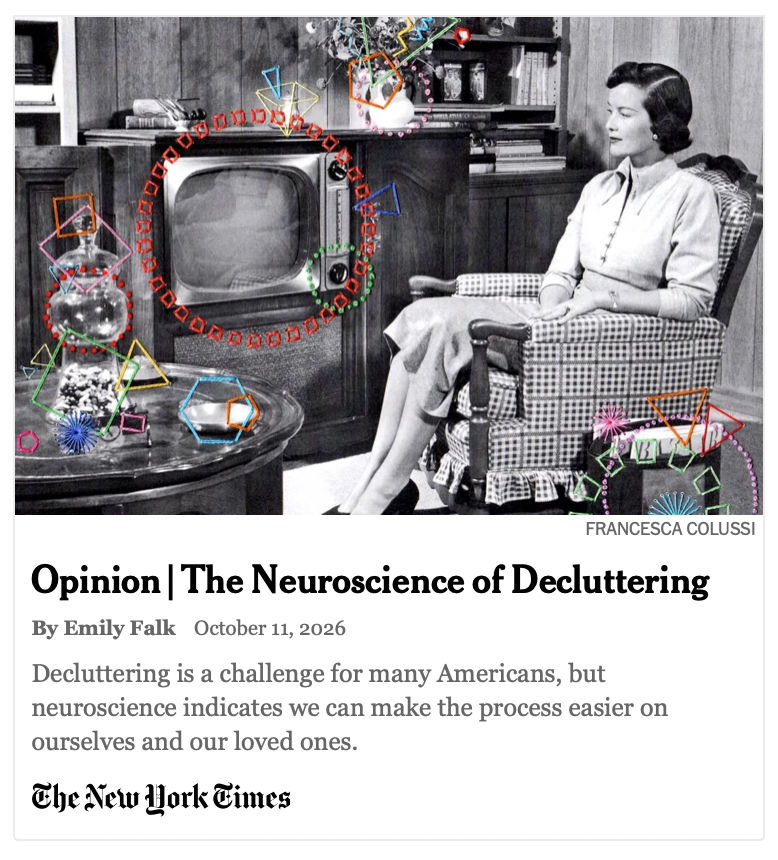
I found the tips useful and also enjoyed the illustration. Those geometric patterns emanating from household items are a clever way of conveying how objects seem to create force fields of meaning and memory around themselves.
The piece also reminded me of how I recently relinquished a giraffe-shaped lamp from IKEA's Grejsimojs collection. I left it outside near our building's dumpsters, where it would be visible from the sidewalk:

Sure enough, when I returned later in the day, someone had taken it.
I'd been using the piece as an entryway light and was still enamoured with it. But space constraints mean making difficult tradeoffs, so I decided it was time to say goodbye. What helped in letting it go was imagining some passerby being delighted to find it. My thinking shifted from me losing something to another person breaking out into a smile.
The next day, I posted about it on Instagram, and got a reply from IKEA Canada:

It's good to know that even forces that encourage our consumer drives are also supportive of passing happiness along.
Thank you for reading.


Member discussion